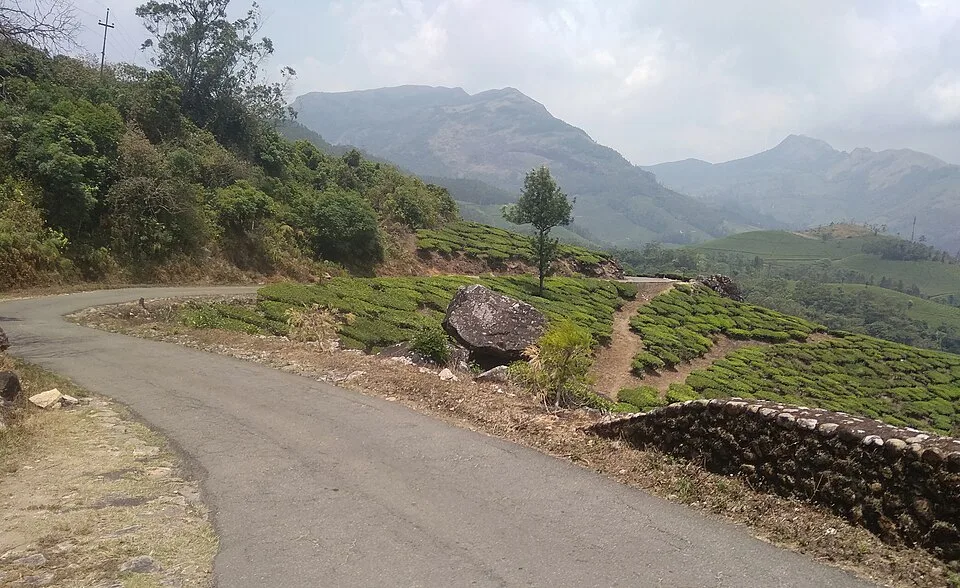
Wayanad tourism centres on Kerala's Western Ghats, and the best time to visit is October to February, when the rain has gone and days stay cool. The draws are tea and spice estates, the 6,000-year-old Edakkal caves, Banasura Sagar Dam and a jeep safari at Muthanga. Kannur is the nearest airport, about 58 km away.
When is the best time to visit Wayanad?
October to February is the best time to visit Wayanad. The rain has cleared, days sit between roughly 10 and 25 degrees Celsius, and the tea slopes are at their greenest. This is peak season too, so hotels near Kalpetta and Vythiri fill up and rates climb, especially over Christmas and New Year. Book two to three weeks ahead if you travel then.
March to May runs warmer, up to about 35 degrees on the valley floor, but the hills stay bearable and the crowds thin. It is a fair trade if you want lower rates and quieter viewpoints.
June to September is the monsoon, and it is the season we most often ask travellers to think twice about. The district turns lush and the waterfalls run full, but Wayanad sits in a landslide-prone belt of the Western Ghats, and heavy spells can shut trekking routes and forest roads at short notice. If you come in the rains, keep plans loose and check conditions the same morning. For how the seasons play out across the rest of the state, see our guide to the best time to visit Kerala.
Wayanad sits in a landslide-prone stretch of the Western Ghats. In heavy monsoon rain, treks and forest roads can close at short notice, so check conditions locally each morning.
Temperatures above are indicative, as of September 2026.
What are the top places to visit in Wayanad?
The unmissable stops are the Edakkal caves, Banasura Sagar Dam and the Muthanga safari, with Chembra, Pookode, Soochipara and Kuruva Island filling out a longer stay. Most sit within an hour or two of each other, so a tight day can still cover two or three.
Edakkal Caves close on Mondays and cap daily visitors. Reach the base before 10 am to beat the heat and the queue, and wear proper shoes for the climb.
Edakkal Caves
Entry and timings: open 8:30 am to 4 pm, closed Mondays. Entry fee is about 50 rupees for Indian adults and 30 for children, plus a still-camera charge of around 25 rupees and parking. A jeep shuttle from the parking area runs about 70 rupees per person, as of September 2026.
The Edakkal Caves near Ambukuthi hill are the one stop we would not skip. These are not true caves but rock shelters carved with petroglyphs at least 6,000 years old, among the oldest known rock art in India. The catch is the climb, a 45-minute uphill walk that is steep in the last stretch, so wear real shoes. A daily visitor cap means tickets can sell out by late morning on weekends, so come early.
Banasura Sagar Dam
Entry and timings: open roughly 6 am to 6 pm. Entry is about 40 rupees per person, with speedboat rides from around 1,000 rupees, as of September 2026.
Banasura Sagar Dam, about 21 km from Kalpetta, is India's largest earthen dam. The reservoir and its scattered islands are genuinely worth the trip, and speedboats run across the water. It gets busy by mid-morning, so go early if you want the quieter version.
Pookode Lake
Entry and timings: open 9 am to 6 pm, boating until 5 pm. Entry about 40 rupees for adults and 30 for children, with boats from about 300 to 700 rupees, as of September 2026.
Pookode Lake is a small freshwater lake ringed by forest, good for a gentle hour with pedal boats and an easy walk. Treat it as a stop rather than a destination, best paired with something nearby.
Muthanga, the Wayanad Wildlife Sanctuary
Entry and timings: safari slots 7 am to 10 am and 3 pm to 5 pm. Entry about 110 rupees for Indian adults and 40 for children, with jeep hire extra and paid at the entrance, as of September 2026.
Muthanga is where you go for a jeep safari and a real chance at elephants, gaur and spotted deer. The morning slot gives the best odds. The sanctuary can close at short notice in heavy monsoon, and its open window shifts through the year, so confirm before you plan a day around it. The Muthanga safari is opened from October to February.
The Muthanga safari is spot booking only at the counter. Arrive about 30 minutes early with an original photo ID, and ignore private sites posing as an official portal.
Chembra Peak
Entry and timings: Permits are issued offline at the Meppadi forest office, and trek starts stop by early afternoon. The trekking permit fees is ₹800 per Indian adult, ₹200 per Indian student, and ₹1,600 per foreign national.
Chembra Peak is the district's best-known trek, famous for a heart-shaped lake on the way up. The final summit is now closed to trekkers, so the route runs to the lake and back. The forest department has at times paused even the lake trek for wildlife on the trail, so treat it as check-before-you-go.
Soochipara Falls and Kuruva Island
Entry and timings: both are daytime only and both are seasonal. Kuruva Island stays shut in the peak monsoon, with rafting charged on top of a small entry fee of around 80 rupees, as of September 2026.
Soochipara, also called Sentinel Rock Falls, and Kuruva Island, a cluster of uninhabited river islets on the Kabini, both reward the trip in the right season. Both also close or turn dangerous in heavy monsoon, so they are dry-season stops, not rainy ones.
Fees and timings are as of September 2026. Confirm on the day, as forest-department rates and windows change.
How do I reach Wayanad? Nearest airport and railway station
Wayanad has no airport or railway station of its own, so you arrive by road from a nearby town. The nearest airport is Kannur International, about 58 km away, followed by Kozhikode, also called Karipur, at roughly 98 km. Kannur usually means the shorter, easier drive.
The nearest railhead is Kozhikode, around 72 km from Kalpetta and well connected to Bengaluru, Chennai, Mumbai and the rest of Kerala. From the airport or the station you take a taxi or a bus up the ghat road. Bengaluru is about 270 km out, a six to seven hour drive.
By road, the climb is scenic whichever way you come. The Kozhikode to Kalpetta route runs up nine hairpin bends through the Thamarassery pass, and KSRTC runs Volvo and ordinary buses on it. If you are prone to motion sickness, sit up front and carry something for it. For the wider picture on flights, trains and the drive into the state, see our guide on how to reach Kerala.
Distances are approximate.
What are the best things to do in Wayanad?
Beyond ticking off viewpoints, Wayanad is built for slow, outdoor days: an early jeep safari at Muthanga, a half-day trek, a walk through a working estate, and quiet time by the water.
- Take the Muthanga safari in the early morning slot for the best wildlife odds.
- Trek the Chembra heart-lake route when it is open, or one of the gentler estates walks around Meppadi and Vythiri.
- Walk to a working tea or coffee estate. Wayanad is one of Kerala's main plantation districts, and many estates run guided visits.
- Travelling with children? The pedal boats at Pookode and the easy Banasura viewpoints are the low-effort wins.
- For something quieter, ask locally about Pakshipathalam and the birding around Kuruva, or make the trip to the ancient Thirunelli temple about 45 km north, a serious pilgrimage site deep in the forest. Cover shoulders and knees and check current entry rules, as Kerala temples often have a dress code.
If you are pairing the hills with another tea district, our Munnar tourism guide covers the country to the south.
Wayanad rewards travellers who want green hills, wildlife and quiet. If you are after beaches and nightlife, Kerala's coast will suit you better.
Essential Wayanad travel tips
A few habits save real trouble up here.
- Carry cash. Forest counters, small eateries and estate stops are not all card-friendly, and the mobile signal drops in the interior.
- Book winter stays early. October to February rooms in Vythiri and Kalpetta go fast, especially over long weekends.
- Respect the monsoon. Treks and some falls close in heavy rain for good reason, so do not push a route the forest office has shut.
- Start early everywhere. Banasura and Edakkal are calmer and cooler before 10 am.
- Fuel up in town. Petrol pumps are sparse once you head into the hills and forest fringes.
Is Wayanad safe to visit after the 2024 landslides?
Yes. The main tourist circuit is operating normally, though it is fair to be clear about what happened. On 30 July 2024, severe landslides struck Mundakkai and Chooralmala in the Meppadi area, one of the deadliest such disasters in India. Those hamlets are not tourist destinations and remain under recovery.
The places most travellers actually visit, Kalpetta, Sultan Bathery, Vythiri, the Edakkal caves, Banasura dam and the wildlife sanctuary, sit away from that zone and run as usual. The sensible takeaway is not to cancel Wayanad, but to travel with the monsoon in mind. Check weather and route conditions in the rains, and lean on operators who know which roads are open on the day.
Interesting facts about Wayanad
- The name Wayanad comes from Vayal Nadu, the land of paddy fields, a nod to the wet valleys farmed here for centuries.
- The Edakkal petroglyphs are among the very few Stone Age rock carvings in India that visitors can walk up to and see.
- Wayanad forms part of the Nilgiri Biosphere Reserve, one of the country's richest wildlife zones, and is home to indigenous communities including the Paniya, Kurichiya and Adiya.
- It is one of Kerala's highest-grown tea, coffee and spice districts, which is what you smell once you are in the estates.
Planning your Wayanad trip with trip2keralam
We are a Kerala-focused tour agency with people on the ground across the state, and Wayanad is a district we work in closely. That matters more here than in most places. Safari slots, forest permits, which trek is open after a wet week, and which ghat road is clear all change locally and often, and a team that handles trips end to end is the difference between a planned day and a wasted one.
We can build a Wayanad itinerary around your dates, sort stays in Vythiri or Kalpetta, arrange safaris and estate visits, and keep it honest about what is worth your time. Start with our Wayanad tour packages, or browse the wider Kerala tour packages for a longer loop.
Tell us the kind of trip you want, quiet estates, wildlife, a bit of trekking, or all three, and our Kerala team will shape it with you.
FAQs
How many days are enough for Wayanad?
Two to three days cover the main circuit comfortably. Two days let you fit the Edakkal caves, Banasura Sagar Dam and a Muthanga safari at a relaxed pace. A third day adds a trek, a tea or coffee estate walk, or the quieter Thirunelli and Kuruva side of the district without rushing. Any less than two and you will be driving more than seeing.
Is Wayanad worth visiting?
Yes, if you want green hills, wildlife and slow days over beaches and nightlife. It is one of Kerala's best plantation and forest districts, with real trekking, safaris and 6,000-year-old rock art at Edakkal. It suits families, couples and unhurried travellers. Anyone chasing a party scene or a beach holiday will be happier on the coast.
What is Wayanad famous for?
Wayanad is known for its tea, coffee and spice estates, the 6,000-year-old Edakkal cave carvings, Banasura Sagar Dam, and wildlife at the Muthanga sanctuary, part of the Nilgiri Biosphere Reserve. It is one of Kerala's main hill and plantation districts, and one of the few places in India where you can walk up to Stone Age rock art.
How do I book the Muthanga safari?
Book in person at the sanctuary counter, as there is no dependable official online portal. Turn up about 30 minutes before your slot with an original government photo ID, and be wary of private websites posing as the government booking site. Morning slots, from 7 am, give the best wildlife sightings, and jeeps are hired at the entrance.
Can I visit Wayanad during the monsoon?
You can, and the waterfalls and estates are at their greenest, but travel with care. Wayanad is landslide-prone, and heavy rain can close treks and forest roads with little warning. Keep plans flexible, avoid interior routes on the worst days, and check local conditions each morning before you set out. Rates are also at their lowest then.
Is Chembra Peak open for trekking?
The final summit is closed to trekkers, so the route runs only to the heart-shaped lake and back. Even the lake trek is sometimes suspended for wildlife on the trail, so check current status before you plan around it. Permits are issued offline at the Meppadi forest office, trek starts stop by early afternoon, and slots are limited.
Which is the nearest airport to Wayanad?
Kannur International Airport is the closest, about 58 km from the district, usually a two to two and a half hour drive. Kozhikode, also called Karipur, is the next option at roughly 98 km. Wayanad has no airport of its own, so you finish the journey by road up the ghats.