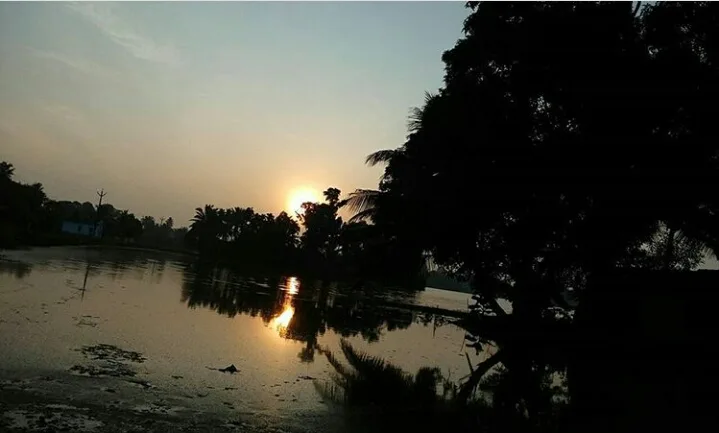
Kumarakom tourism centres on Vembanad Lake, Kerala's largest lake, in Kottayam district. The draw is slow backwater life: houseboat cruises, a 14-acre bird sanctuary, village canals and Karimeen fish lunches. The best months run September to March. The nearest railway is Kottayam, about 16 km away, and Cochin airport sits roughly 85 km north.
We run trips through this stretch of the backwaters all year, and Kumarakom is one of the places our on-ground team keeps sending people to for a reason. It is calmer than Alleppey, it works as an overnight houseboat base or a single relaxed day, and it rewards travellers who move slowly. Below is what actually matters when you plan: the weather, what to see, how to get there, what to do, and the honest trade-offs most guides skip.
What is the best time to visit Kumarakom?
The best time to visit Kumarakom is September to March, when the air is dry and daytime temperatures sit around 27 to 32 degrees Celsius. That window covers peak season, clear cruising conditions and the tail of the migratory bird season. If you want lower rates and thick green paddy, come in the shoulder weeks of late October and November, before the December rush.
Monsoon runs June to August. The backwaters swell and turn a deeper green, houseboat tariffs drop, and the crowds thin out. The catch is honest: humidity climbs past 80 percent, sanctuary walkways get muddy, and some operators limit open-water cruising when the lake turns choppy. Summer, March to May, is hot and sticky with highs near 35 to 37 degrees, so it stays the quietest and cheapest stretch of the year.
For lower rates and green paddy, aim for late October and November, before the December rush and once the monsoon eases. The crowds are still thin.
Season at a glance
| Season | Months | Weather | Crowds & rates | Worth it for |
|---|---|---|---|---|
| Peak | Dec to Feb | Dry, pleasant, 27-32°C | Busiest, highest rates | Comfortable cruising, migratory birds |
| Shoulder | Sep to Nov | Warm, drying out, some showers | Moderate, better value | Green paddy, fewer people |
| Monsoon | Jun to Aug | Heavy rain, humid, 24-30°C | Quiet, lowest rates | Lush scenery, budget houseboats |
| Summer | Mar to May | Hot, humid, up to 37°C | Very quiet, low rates | Cheap stays, early-morning sightseeing |
Figures above are typical seasonal ranges as of September 2026. Kerala's monsoon dates shift a little each year, so check the forecast a week out if you are travelling in June.
What are the top places to see in Kumarakom?
Kumarakom is small, and most of what you see happens on or beside the water. The bird sanctuary and a Vembanad cruise are the two anchors. The rest fills a comfortable second day if you have one.
Kumarakom Bird Sanctuary
On the edge of Vembanad Lake, this 14-acre sanctuary is the headline sight. Resident egrets, herons, darters, cormorants and kingfishers stay all year. From November to February, migratory birds arrive from the Himalayas and Siberia, including teals, pintails and flycatchers. Local breeding activity peaks June to August. It opens 6 am to 6 pm daily as of September 2026, and the fee is small, around ₹50 for Indian visitors and ₹100 for foreign visitors. Go at first light, roughly 6 to 8 am, when the birds are active and the light is soft.
At the Kumarakom sanctuary, either arrive at dawn or skip it. A midday visit in the off-season can feel flat.
Vembanad Lake and the backwaters
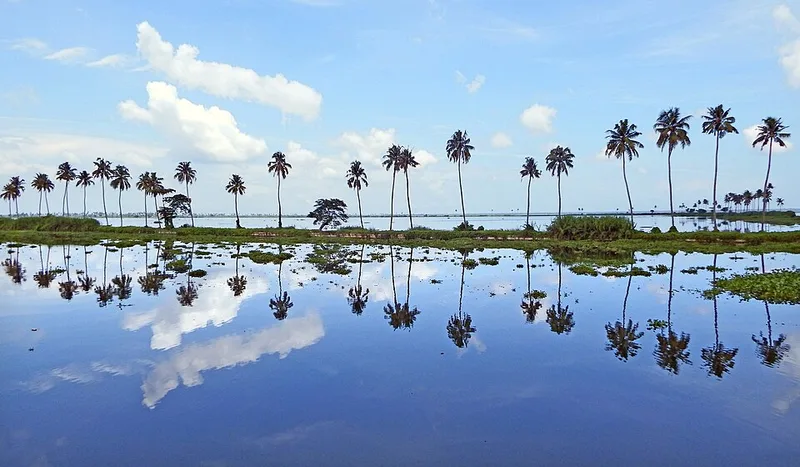
Vembanad is the largest lake in Kerala and the meeting point of ten rivers. A cruise here is the main event, whether that is a few hours on a shikara or an overnight houseboat. Kumarakom's side of the lake is wide and calm, quieter than Alleppey, with fishing hamlets and Chinese-style dip nets along the banks. If you specifically want narrow village canals, that is more of an Alleppey strength, so pick your route to match what you are after.
Do not swim in open Vembanad. It carries boat traffic, currents and uneven water quality, with no lifeguarded areas. Use your resort pool instead.
Pathiramanal Island
A small island sitting in the middle of Vembanad, about 4 km from Kumarakom and reachable only by boat. It is a good add-on for birdwatchers and photographers and pairs naturally with a lake cruise. There is nothing to buy or eat there, so treat it as a 30 to 45 minute stop, not a destination in itself.
Aruvikkuzhi Waterfall
About 18 km from Kottayam, this waterfall drops over 100 feet in steps through rubber plantations, with St. Mary's Church set above it. Be honest with your expectations: it is genuinely worth the detour during and just after the monsoon, but from January to May it can slow to a thin trickle. If your trip is tight and the season is dry, skip it and spend the time on the water instead.
Bay Island Driftwood Museum
A quirky indoor collection of root sculptures and driftwood art, useful as a short, shaded stop if the weather turns or you are travelling with restless kids. Half an hour is plenty.
How do I reach Kumarakom, and what are the nearest stations and airport?
The nearest railway station is Kottayam, about 16 km away, and the nearest airport is Cochin International, roughly 85 km to the north. From either, a taxi is the simplest way in. KSRTC buses connect Kottayam town to Kumarakom for the budget-minded.
| Route | Distance | Approx. time by road | Notes |
|---|---|---|---|
| Kottayam Railway Station | ~16 km | 30-45 min | Nearest railhead, well connected across India |
| Cochin (Kochi) International Airport | ~85 km | 2 to 2.5 hrs | Nearest airport, most flights |
| Kochi / Ernakulam city | ~50 km | 1.5 hrs | Good rail and bus hub |
| Trivandrum International Airport | ~150 km | 3.5 to 4 hrs | Alternative for South Kerala trips |
| Alleppey (Alappuzha) | ~30 km | 1 hr | Easy to combine both backwater bases |
Distances are approximate driving figures as of September 2026 and vary with your exact pickup point and traffic.
Coming from outside Kerala, most travellers fly into Kochi, then drive down through Kottayam. If you are already touring South Kerala, our team usually pairs Kumarakom with Kottayam and nearby Alleppey so the backwater leg flows without backtracking.
What are the best things to do in Kumarakom?
The activities here reward slowing down. None of them need to be rushed, and the best ones happen early or late in the day.
- Stay overnight on a houseboat. The classic Kumarakom experience. Boats board around noon, cruise the afternoon, anchor for the night and serve local meals on board.
- Take a dawn shikara or country-boat ride. Cheaper and more intimate than a houseboat, ideal for the narrow channels and for birdwatching before the heat sets in.
- Watch birds at the sanctuary. Carry binoculars, wear muted colours and keep quiet. A guide is worth it in the migratory season.
- Eat Karimeen pollichathu. Pearl-spot fish marinated, wrapped in banana leaf and grilled. This is the dish to order at the lakeside.
- Try a village life or toddy-tapping walk. Several homestays and resorts run short walks through paddy fields and coir-making hamlets.
- Book an Ayurvedic session. Most lakeside resorts offer genuine treatments, and a sunset massage after a day on the water is well spent.
How much does a Kumarakom houseboat cost?
A private overnight houseboat for two typically runs from around ₹9,000 for a one-bedroom deluxe boat in the off-season up to about ₹32,000 for a two-bedroom luxury boat in peak season. Day cruises cost far less. Prices swing with season, boat size and inclusions, so treat the table as a planning guide, not a quote.
| Houseboat type | Off-season (approx.) | Peak season (approx.) |
|---|---|---|
| 1-bedroom deluxe (overnight, 2 pax) | ₹9,000 - ₹11,000 | ₹12,000 - ₹14,000 |
| 1-bedroom premium | ₹13,000 - ₹15,000 | ₹16,000 - ₹19,000 |
| 2-bedroom luxury (family) | ₹22,000 - ₹26,000 | ₹28,000 - ₹34,000 |
| Day cruise (shared/private, hourly) | From ₹1,500 | From ₹2,500 |
Indicative private-boat rates as of September 2026. Operators set their own prices and they move with the season, so treat these as a starting point and confirm the exact rate at the time of booking.
Book the houseboat for a weeknight if you can. Weekend and holiday rates jump, and the lake gets busier.
If you want us to match a boat to your dates and budget, our Kerala backwater tours bundle the houseboat, transfers and stays so you are not negotiating at the jetty.
Kumarakom travel tips before you go
A few things we tell travellers before they set off.
- Start the sanctuary at the opening. Birds and light are both best in the first two hours. Confirm the day's timing locally, as sanctuary hours can change.
- Carry mosquito repellent and light cotton. Backwater evenings mean mosquitoes, and long sleeves help more than spray alone.
- Dress modestly for temples. If you add a temple visit near Kottayam, some require men to remove their shirts and everyone to avoid shorts. Check the specific temple's rule before you go.
- Carry some cash. Boat jetties, small eateries and country-boat operators often prefer cash, and phone signal can drop on the water.
- Two nights is the sweet spot. One night on a houseboat plus one at a lakeside resort covers the birds, the cruise and the food without feeling rushed.
Interesting facts about Kumarakom
- Kumarakom sits beside Vembanad, the longest lake in India and the largest in Kerala, fed by ten rivers.
- Arundhati Roy's Booker-winning novel The God of Small Things is set in Aymanam, the village next to Kumarakom. The Taj property here is built around the building the novel calls History House.
- Kumarakom's responsible-tourism model won the UNWTO Ulysses Award and a PATA environment award, and Kerala made The New York Times list of 52 places to go in 2023, ranked 13th.
- The pearl-spot fish, Karimeen, that appears on every menu here is the same fish that gives the backwaters their signature dish.
- The land is reclaimed wetland. Much of Kuttanad, just south, farms paddy below sea level, one of the few places in the world that does.
Planning your Kerala trip with trip2keralam
As a Kerala-based travel brand, Kerala is all we do, and the backwater belt around Kumarakom, Kottayam and Alleppey is one of the stretches we work every week. That means we know which houseboat operators keep their boats well, which jetties get crowded, and when the bird sanctuary is actually worth your early alarm. We handle the transfers, the boat, the stay and the timing so the trip holds together end to end.
Still deciding when to come? Read our guide on the best time to visit Kerala, or tell us your dates and we will build the backwater leg around them.
Tell our on-ground team your dates and pace, and we will shape the houseboat, the sanctuary morning and the transfers into one calm, well-timed trip.
FAQs
How many days are enough for Kumarakom?
Two days and one night suit most travellers. That covers a houseboat cruise, the bird sanctuary at dawn and a relaxed lakeside meal. Add a second night if you want an Ayurvedic session or plan to combine it with Alleppey. A single day works only if you are passing through and just want a short backwater cruise.
Is Kumarakom better than Alleppey?
They are different. Kumarakom is quieter, greener and better for birdwatching and calm lake cruising, with more upmarket resorts. Alleppey has more houseboats, narrower village canals and a livelier feel. If you want peace, choose Kumarakom. If you want the busy classic canal cruise, choose Alleppey. Many travellers do a night in each.
What is the entry fee and timing for Kumarakom Bird Sanctuary?
The sanctuary opens 6 am to 6 pm daily, with a small entry fee, around ₹50 for Indian visitors and ₹100 for foreign visitors as of September 2026. Fees and hours can change, so confirm on the day before you go. Aim for the first couple of hours after opening, when birds are most active and the light is best.
Is Kumarakom worth visiting during the monsoon?
Yes, if you want lower prices and lush scenery and do not mind rain. Houseboat rates fall, the backwaters look their fullest, and crowds thin out. The trade-offs are high humidity, muddy sanctuary paths and occasional limits on open-water cruising. Pack for wet weather and keep your plans flexible.
Can you swim in Vembanad Lake at Kumarakom?
Open-lake swimming is not recommended. The water carries boat traffic, currents and variable quality, and there are no lifeguarded swimming areas. Most resorts provide a pool instead. Stick to boat cruises and shoreline activities on the lake itself.
What food is Kumarakom known for?
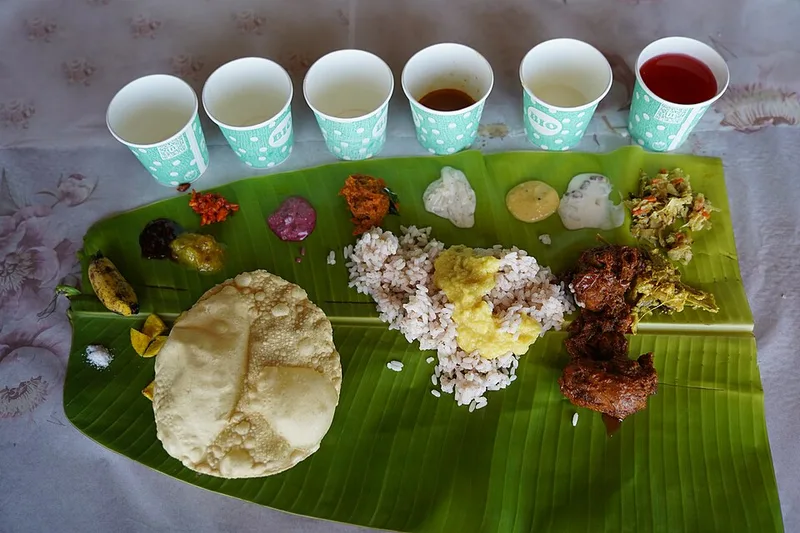
Backwater cuisine built around fish. Karimeen pollichathu, pearl-spot fish grilled in banana leaf, is the signature. You will also find appam with stew, Kerala fish curry with kokum, duck roast and plenty of coconut. Most houseboats cook fresh meals on board, and lakeside toddy shops serve some of the most honest local food.
How do I reach Kumarakom from Kochi?
Cochin International Airport is about 85 km away and Kochi city roughly 50 km. The easiest option is a taxi, which takes around 2 to 2.5 hours from the airport through Kottayam. Trains run to Kottayam station, about 16 km from Kumarakom, and buses connect the town for budget travellers.