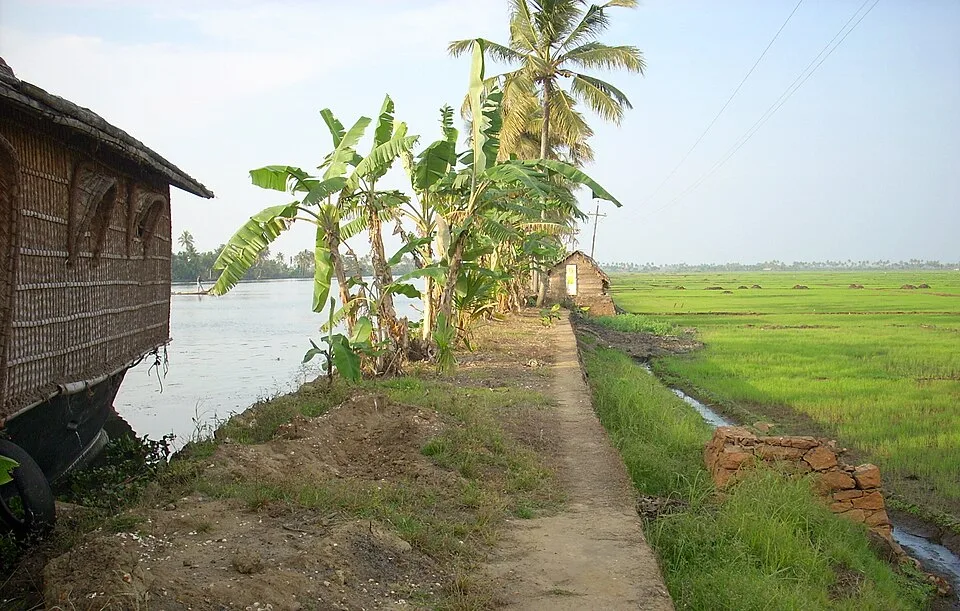
The best places to visit in Kerala fall into five groups: hill stations like Munnar and Wayanad, backwaters like Alleppey and Kumarakom, beaches like Varkala and Kovalam, waterfalls and wildlife parks like Athirappilly and Periyar, and heritage towns like Fort Kochi and Thrissur. Most trips mix three or four across seven to ten days.
Kerala packs a lot into a small state. You can wake up in a tea estate at 1,600 metres and be on a houseboat at sea level the same evening. That range is the point, and it is also the trap: people try to see everything and end up spending their holiday in a car. This guide sorts the best places to visit in Kerala by the kind of trip they suit, so you can pick a region and build around it. For each place you get the highlights, the best time, who it suits, how long to give it, and the nearest railway station. Our on-ground team maps trips this way every week.
We have grouped thirty places into five sections. Read the group that matches your kind of holiday first, then borrow one or two from a neighbouring group.
You can wake up in a tea estate at 1,600 metres and be on a houseboat at sea level the same evening.
Kerala Hill Stations & Nature
Kerala's hills sit in the Western Ghats, cool year round and green in every season. Munnar is the classic; the rest reward anyone who wants fewer crowds.
1. Munnar: Tea estates, hills and viewpoints
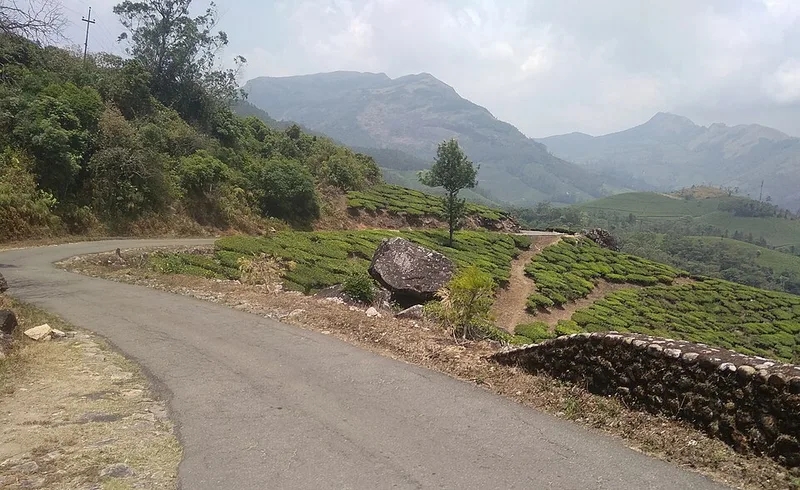
Munnar is the hill station most first-timers picture when they think of Kerala, and it earns the billing. Tea covers the slopes in a tight green weave from around 1,600 metres up, and the air stays cool even in summer. The town itself is scruffy and jams in season, so we tell travellers to stay outside the centre near Chithirapuram or Pallivasal and drive in for the sights.
Highlights: Kolukkumalai sunrise by jeep, Eravikulam National Park and the Nilgiri tahr, the Tata Tea Museum, Top Station viewpoint, and the estate drives around Lockhart Gap.
Best time to visit: September to March for clear views. Skip peak-monsoon July fog if viewpoints are your reason for coming.
Who should visit: Families, couples and photographers. Easy for older parents since most sights are drive-up.
Ideal duration: 2 nights, or 3 if you add Kolukkumalai and a slow estate day.
Nearest railway station: Aluva, about 110 km, on the Ernakulam line.
Timings and entry fee: Munnar town is free to enter. Its main ticketed sights are Eravikulam National Park (about 7am to 4pm, closed February to March, roughly 200 rupees for Indian visitors) and the Tata Tea Museum (9am to 4pm, closed Mondays and Good Friday, about 75 rupees for adults), as of September 2026.
Book Eravikulam tickets online early in season, as daily entry is capped, and carry a light jacket since mornings drop to single digits.
2. Wayanad: Forests, caves, plantations and mountain scenery
Wayanad is the north's answer to Munnar, greener and far less crowded. This is plantation and jungle country with waterfalls, an ancient petroglyph cave and Kerala's easiest access to proper treks. It rains hard and long here, so a trail that is glorious in December turns treacherous in July. Give it a couple of nights and a good pair of shoes.
Highlights: Chembra Peak and its heart-shaped lake, the Edakkal Caves with rock carvings thousands of years old, Soochipara falls, Banasura Sagar Dam, and the Muthanga and Tholpetty wildlife ranges.
Best time to visit: October to May for treks and clear trails. Monsoon is green but slippery and some trails close.
Who should visit: Nature lovers, trekkers, groups of friends and families with active teens.
Ideal duration: 2 to 3 nights.
Nearest railway station: Kozhikode (Calicut), about 70 to 85 km depending on your base near Kalpetta or Sultan Bathery.
Timings and entry fee: The district is free to roam. Edakkal Caves cost about 50 rupees and open 9am to 4pm, closed Mondays, with a daily entry cap. The Chembra Peak trek permit is about 20 rupees per head plus group charges, issued at the Meppadi forest office, which opens at 7am and stops permits after 2pm, as of September 2026.
Start the Chembra permit run early, before the 2pm cut-off, and remember Edakkal is closed Mondays and involves a short but steep climb.
3. Vagamon: Rolling meadows, pine forests and paragliding
Vagamon is where Keralites go when they want hills without Munnar's traffic. Rolling grass meadows sit beside planted pine forest, and the place feels more like a highland common than a resort town. It has quietly become the state's paragliding hub, with tandem flights on days the wind cooperates. Two nights is plenty.
Highlights: open grassland meadows, the planted Pine Valley, Kurisumala, tea slopes, and a growing paragliding scene.
Best time to visit: September to March. Paragliding runs on suitable-wind days, often around the Vagamon festival window.
Who should visit: Couples, weekend groups and soft-adventure travellers.
Ideal duration: 1 to 2 nights.
Nearest railway station: Kottayam, about 60 km.
Timings and entry fee: Open access, no ticket for the meadows and pine forest. Paragliding is paid and runs through private operators on suitable-wind days, with rates that vary by season, as of September 2026.
Paragliding flies only on suitable-wind days, so keep a spare morning. Carry cash, as ATMs are few on the hill.
4. Ponmudi: Scenic hill drives and trekking near Thiruvananthapuram
Ponmudi is an easy hill escape for anyone starting in the south. The drive up from Thiruvananthapuram is as much the attraction as the top, a run of tight hairpins through forest to open meadow. It works as a day trip or a single quiet night, and the Golden Valley river spot below is worth an hour when the water is running.
Highlights: the hairpin ghat road, the Golden Valley river spot, meadow walks, and views toward the Agasthyamala range.
Best time to visit: October to March.
Who should visit: Trekkers and weekenders from the south who want hills without a long drive.
Ideal duration: A day trip or 1 night.
Nearest railway station: Thiruvananthapuram Central, about 61 km.
Timings and entry fee: The hill road is open in daylight and there is a small forest checkpost charge on the way up, as of September 2026. Entry fee ₹40 for Indian adults, ₹20 for Indian children (below the age of 15). Four-wheeler vehicle fee is ₹40.
The ghat has around twenty hairpins, so drive it in daylight, and check locally in heavy rain when the road can close.
5. Thekkady: Forested highlands, spice plantations and nature stay
Thekkady, built around the Periyar Tiger Reserve, is Kerala's headline wildlife base. The classic outing is the lake boat cruise, where you may see elephant, sambar and gaur along the banks, though tigers are rarely spotted. Come for the forest, the spice plantations around Kumily and the evening Kathakali, not for a guaranteed big cat.
Highlights: the Periyar lake boat cruise, spice plantation walks around Kumily, forest-department jungle walks and bamboo rafting, and Kathakali or Kalaripayattu shows in town.
Best time to visit: October to February. March to May is hotter but animals gather at the water.
Who should visit: Families and first-time wildlife travellers.
Ideal duration: 1 to 2 nights.
Nearest railway station: Kottayam, about 114 km.
Timings and entry fee: Forest entry to the Periyar reserve is about 45 rupees for Indian adults and 15 for children. The government KTDC lake boat cruise costs ranges between ₹255 and ₹450 per seat for adults and ₹85 for children, with the first cruise near 7:30am and slots through to about 5pm, as of September 2026.
Take the earliest lake boat for the best animal sightings and the smallest crowd, book online in season, and report an hour before departure.
6. Nelliyampathy: Quiet hill station with plantations and viewpoints
Nelliyampathy is the quiet one, a small hill station reached by a slow ghat road from the Palakkad plains. Orange, coffee and tea estates cover the slopes, and the Seetharkundu viewpoint drops away to the plains far below. There is little to do beyond walk, look and slow down, which is exactly the point for the couples who come here.
Highlights: the Seetharkundu viewpoint and valley drop, orange and coffee estates, Pothundy dam, and a string of hairpin bends on the climb.
Best time to visit: September to March.
Who should visit: Couples and offbeat travellers who want a slow, low-crowd hill stay.
Ideal duration: 1 to 2 nights.
Nearest railway station: Palakkad, about 75 km, then the ghat road via Nenmara.
Timings and entry fee: Open access. The Seetharkundu viewpoint and estate roads carry no ticket, though there is a nominal check post on the ghat, as of September 2026.
Fuel up at Nenmara before the climb, as there are no pumps on the ghat, and use your horn on the narrow blind bends.
Kerala Backwaters & Lakes
The backwaters are the experience most people remember longest. A houseboat night is worth prioritising, but you can also do the same waters by shikara or canoe for far less.
7. Alappuzha (Alleppey): Kerala's classic houseboat destination
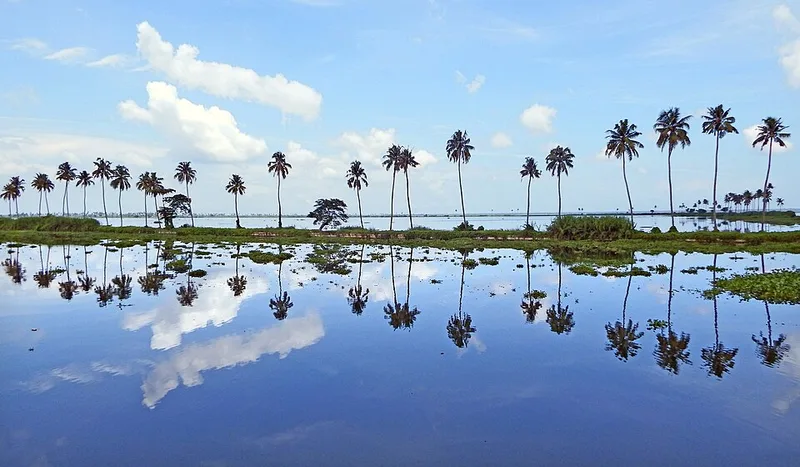
Alleppey is the classic Kerala houseboat destination and still the experience most people prioritise. You board around noon on the wide Punnamada waters, then peel off into narrow canals past paddy and village life before the boat moors for the night. Insist on a boat that actually enters the small canals, since the big luxury ones stay on open water where the views repeat.
Highlights: an overnight houseboat cruise, the Punnamada finish line of the Nehru Trophy snake boat race, shikara rides into the narrow canals, the Kuttanad paddy country, and Marari beach nearby.
Best time to visit: November to February for calm water. The snake boat race season peaks around August and September.
Who should visit: Couples and families wanting one slow, memorable day.
Ideal duration: 1 night on the boat.
Nearest railway station: Alappuzha (ALLP), in town.
Timings and entry fee: An overnight houseboat is the cost here, not an entry fee. A private one-bedroom deluxe boat runs from roughly 7,000 to 12,000 rupees for the overnight package including meals, up 20 to 30 percent in peak season from November to January. Boarding is around noon and check-out around 9am, as of September 2026.
Insist on a boat that actually enters the small canals, and pick a non-air-conditioned or day boat if you want to cut the cost sharply.
8. Kumarakom: Vembanad Lake, birdlife and luxury backwater resorts
Kumarakom is the quieter, more polished backwater option, on the far side of Vembanad Lake near Kottayam. Fewer boats, more birds, and a cluster of lakeside resorts that many couples and families prefer to busy Alleppey. The bird sanctuary on the old Baker's estate is best at first light, and the lake sunsets here are the reason to stay a second night.
Highlights: The Kumarakom Bird Sanctuary, sunset over Vembanad Lake, lakeside Ayurveda resorts, a shorter houseboat or shikara cruise, and the Aruvikkuzhi waterfall nearby.
Best time to visit: November to February, which is also the migratory bird window.
Who should visit: Couples, families and birdwatchers who want backwaters without the Alleppey bustle.
Ideal duration: 1 to 2 nights.
Nearest railway station: Kottayam, about 16 km.
Timings and entry fee: The Kumarakom Bird Sanctuary is open about 6:30am to 5pm and costs around 100 rupees for Indian adults, 50 for children and 250 for foreign visitors, as of September 2026.
Go at first light for the birds, and pair Kumarakom with a Kottayam or Alleppey leg rather than treating it as a standalone base.
9. Kuttanad: Paddy fields, canals and village backwater landscapes
Kuttanad is the farming heart of the backwaters, one of the few places on earth where crops grow below sea level. There is no big-ticket sight, just canal-side villages, small ferries and green paddy behind earthen bunds. We suggest it as a half-day add-on to Alleppey rather than a base, ideally by local boat rather than by car.
Highlights: farming below sea level, canal-side village life, small passenger ferries, and the wide green paddy of the R Block bunds.
Best time to visit: November to February; the harvest adds colour.
Who should visit: Slow travellers and photographers, usually as an add-on to Alleppey.
Ideal duration: Half a day to a full day.
Nearest railway station: Alappuzha, with Chertala also close.
Timings and entry fee: Open access. The villages and canals carry no ticket, and the local passenger ferries cost only a few rupees, as of September 2026.
Do Kuttanad by state ferry rather than by car, and carry small change and water, as shops are sparse between villages.
10. Ashtamudi Lake, Kollam: Large lake with houseboat and canoe experiences
Ashtamudi is the large, many-branched lake at Kollam, and the scenery rivals Alleppey with a fraction of the boats. It anchors the famous eight-hour Kollam to Alleppey ferry, one of the best-value backwater rides in the state. Kollam town is a working cashew port rather than a tourist hub, which is part of the appeal for travellers who want the real thing.
Highlights: Ashtamudi houseboats, the long Kollam to Alleppey ferry, access to Munroe Island, cashew-country towns, and the Thangassery lighthouse.
Best time to visit: November to February.
Who should visit: Backwater travellers who want the scenery with fewer boats than Alleppey.
Ideal duration: 1 night.
Nearest railway station: Kollam Junction, in town.
Timings and entry fee: Ashtamudi is free to visit. The DTPC Kollam to Alleppey backwater ferry runs mainly from November to mid-May and costs in the region of a few hundred rupees for the full eight-hour trip, as of September 2026.
Book the Kollam to Alleppey ferry a day ahead in season, and note it runs only from roughly November to mid-May.
11. Munroe Island: Narrow canals, village life and canoe cruises
Munroe Island is a cluster of tiny islets where Ashtamudi Lake meets the Kallada river, and its whole point is the small-canal canoe cruise. A local paddler takes you under low bridges past coir-making and prawn farms, into water too narrow for any motorboat. Go early, keep it to a morning or a single night, and treat it as the slow opposite of Alleppey.
Highlights: the small-canal canoe tour, coir and prawn farming, low village bridges, and quiet sunset paddles.
Best time to visit: November to February; mornings are best.
Who should visit: Couples and slow travellers after an offbeat backwater day.
Ideal duration: Half a day to 1 night.
Nearest railway station: Munroturuttu for local trains; Kollam Junction, about 25 km, for most services.
Timings and entry fee: The canoe village tour is the cost here, booked through local operators for roughly 1250 to 1400 rupees per person, with morning and afternoon slots, as of September 2026.
Ask specifically for a small-canal canoe rather than a motorboat, and go on the morning tide when the water is highest.
12. Vembanad Lake: Kerala's iconic lake stretching through several districts
Vembanad is the longest lake in India, stretching through several districts, and it is the water body Alleppey and Kumarakom both sit on. You rarely visit it as a standalone stop; you experience it from a houseboat, a resort jetty or the Pathiramanal bird island in the middle. It is also the venue for the Nehru Trophy snake boat race each August.
Highlights: the longest lake in India, houseboat cruising, the Pathiramanal bird island, and the Nehru Trophy race venue.
Best time to visit: November to February.
Who should visit: Anyone doing backwaters, since Alleppey and Kumarakom both sit on this lake.
Ideal duration: Usually covered within an Alleppey or Kumarakom stay.
Nearest railway station: Alappuzha or Kottayam, depending on which shore you use.
Timings and entry fee: No single ticket. You experience the lake from a houseboat or resort, and the Pathiramanal bird island needs a hired boat and forest permission, as of September 2026.
For the best of the lake, base yourself at Alleppey or Kumarakom, and visit Pathiramanal island at dawn for the birdlife.
Kerala Beaches & Coastal Towns
Kerala's coast runs the length of the state. The south has the famous beaches, the north has the quiet ones. Watch the flag warnings and swim where lifeguards point, as the Arabian Sea has strong currents.
13. Varkala: Dramatic cliffs, beach cafes and sunsets
Varkala is southern Kerala's cliff-top beach town, and it feels nothing like Kovalam an hour away. A laterite cliff runs above the sand, lined with cafes, yoga shalas and Ayurveda centres, with the Papanasam bathing beach below. It draws couples, backpackers and long-stay yoga travellers. The cliff cafes are pricier and slower than they look, so eat with time to spare.
Highlights: the laterite cliff walk lined with cafes, Papanasam beach and bathing ghat below, Janardanaswamy Temple, the Sivagiri Mutt, and a strong cluster of Ayurveda and yoga centres.
Best time to visit: November to March.
Who should visit: Couples, backpackers and long-stay yoga travellers.
Ideal duration: 2 to 3 nights.
Nearest railway station: Varkala Sivagiri, about 3 km.
Timings and entry fee: Open access, no ticket for the cliff or the beach, as of September 2026.
Swim only where the lifeguards flag, as the currents are strong, and order at the cliff cafes with time to spare since service is slow.
14. Kovalam: Lighthouse Beach and seaside resorts
Kovalam is the easy, well-serviced beach close to the capital, and the best first-timer's coast in the south. Its crescent Lighthouse Beach and calmer Hawa Beach sit in sheltered coves that are safer for swimming than most of the Kerala shore. Everything you need is on hand, from resorts to Ayurveda, and Thiruvananthapuram's sights are a short drive away.
Highlights: Lighthouse Beach and its striped lighthouse, Hawa Beach, calm swimming in the sheltered coves, Ayurveda resorts, and easy access to the capital's sights.
Best time to visit: November to March.
Who should visit: Families and first-timers who want everything on hand.
Ideal duration: 2 to 3 nights.
Nearest railway station: Thiruvananthapuram Central, about 15 km.
Timings and entry fee: The beach is free. The lighthouse climb carries a small fee of around 20 rupees, as of September 2026.
Walk south of the busy Lighthouse Beach for quieter sand, and mind the currents even in the sheltered coves.
15. Marari Beach: Relaxed and less commercial beach experience
Marari is a quiet beach a short hop from Alleppey, and it is where we send travellers who want sand without the crowds. It is still a working fishing village, so the pace is slow and the resorts stay low-key. Most people pair it with a houseboat night, coming off the water for a day or two of doing very little.
Highlights: quiet fishing-village sand, low-key beach resorts, coir villages, and an easy pairing with an Alleppey houseboat night.
Best time to visit: November to March.
Who should visit: Couples and families who want a calm beach, not a busy one.
Ideal duration: 1 to 2 nights.
Nearest railway station: Mararikulam for local trains; Alappuzha, about 16 km, for most services.
Timings and entry fee: Open access, no ticket, as of September 2026.
Pair Marari with an Alleppey houseboat night, and carry what you need, as the village has few shops.
16. Cherai Beach: Popular beach near Kochi with a laid-back atmosphere
Cherai is Kochi's nearest proper beach, out on Vypin island where backwater and sea run side by side. The water is calm enough for a real swim, there are seafood shacks along the strip, and dolphins sometimes show offshore. It makes an easy day trip or overnight from Fort Kochi rather than a destination in its own right.
Highlights: Calm swimming water, a backwater-and-sea strip on Vypin island, occasional dolphins offshore, seafood shacks, and proximity to Fort Kochi.
Best time to visit: November to March.
Who should visit: Kochi weekenders and families wanting a day by the sea.
Ideal duration: A day trip or 1 night.
Nearest railway station: Ernakulam Junction, about 26 km via the Vypin route.
Timings and entry fee: The beach is free. A small ferry or toll applies on the Vypin route from Kochi, as of September 2026.
Use the Vypin ferry from Fort Kochi to skip the traffic, and come for sunset, though the seafood shacks fill up fast.
17. Bekal: Beachfront setting combined with the famous Bekal Fort
Bekal is the far north's headline stop, built around a huge laterite sea fort that juts into the Arabian Sea. Beyond the fort there are empty beaches, backwater cruises and a coastline still largely free of big tourism. It is a long way up from central Kerala, so give it a night or two and combine it with Kannur rather than rushing through.
Highlights: The large seaside Bekal Fort, Kappil beach and backwaters, a laterite headland over the sea, and quiet northern sands.
Best time to visit: November to February.
Who should visit: Offbeat travellers and couples exploring north Kerala.
Ideal duration: 1 to 2 nights.
Nearest railway station: Kanhangad, about 12 km, or Kasaragod, about 16 km.
Timings and entry fee: Bekal Fort is open about 8am to 5:30pm and costs around 20 to 25 rupees for Indian visitors and 300 for foreign visitors, as of September 2026.
Visit the fort in the late afternoon for cooler light and a sea sunset, and carry water, as there is little shade inside.
18. Muzhappilangad Beach: Well-known drive-in beach in Kannur
Muzhappilangad, near Kannur, is India's longest drive-in beach, a firm stretch of roughly four kilometres you can actually motor along. The water is shallow and calm for long spells, which suits families, and there is a view across to Dharmadam island. It is a half-day stop, best in the late afternoon when the light softens and the day-trippers thin out.
Highlights: A roughly 4 km drive-in beach, shallow swimming stretches, the Dharmadam island view, and seasonal water sports.
Best time to visit: November to February.
Who should visit: Families, road-trippers and groups.
Ideal duration: Half a day.
Nearest railway station: Kannur, about 15 km, with Thalassery about 7 km.
Timings and entry fee: The drive-in beach is open in daylight and a nominal vehicle charge may apply at the entrance, as of September 2026.
Drive only on the firm sand near low tide, and skip the drive entirely in the monsoon when it is not allowed.
Kerala Waterfalls & Wildlife
Waterfalls run hardest just after the monsoon, and safety restrictions can close the base of a fall in heavy rain. Wildlife slots and forest treks go through the forest department, so book ahead in season.
19. Athirappilly Waterfalls: Kerala's most famous large waterfall
Athirappilly is Kerala's largest waterfall, about eighty metres, dropping through forest in the Chalakudy valley. It is at its most powerful just after the monsoon and an easy day trip from Kochi. Go early to beat the tour buses, and mind the path down to the base, which turns genuinely dangerous when wet.
Highlights: the roughly 80 metre main falls, the Chalakudy river valley drive, great hornbill country in the surrounding forest, and an easy day trip from Kochi.
Best time to visit: September to January for strong but safe flow.
Who should visit: Families, day-trippers and photographers.
Ideal duration: Half a day to a day trip.
Nearest railway station: Chalakudy, about 30 km.
Timings and entry fee: Athirappilly is open about 8am to 6pm and costs around 50 rupees for Indian adults, 20 for children and 200 to 250 for foreign visitors, with camera charges extra, as of September 2026.
Go early to beat the tour buses, and stay off the steep path to the base in heavy rain when it turns genuinely dangerous.
20. Vazhachal Waterfalls: Forest-surrounded falls close to Athirappilly
Vazhachal sits a few kilometres upstream from Athirappilly and is the natural second stop on the same drive. It is a wider, gentler cascade right beside the road, backed by the Sholayar forest that is prime great hornbill country. Most people give it an hour, then carry on toward the forest road to Valparai.
Highlights: a wide roadside cascade, the Sholayar forest edge, birdlife, and a natural pairing with Athirappilly.
Best time to visit: September to January.
Who should visit: The same visitors doing Athirappilly.
Ideal duration: About an hour as an add-on.
Nearest railway station: Chalakudy, about 35 km.
Timings and entry fee: A small entry or parking charge applies and the falls are viewed in daylight hours, as part of the same Chalakudy forest stretch as Athirappilly, as of September 2026.
Combine Vazhachal with Athirappilly on the same drive, and give it about an hour, as the viewing is from the roadside.
21. Periyar Wildlife Sanctuary: Elephants, forests and boating experiences
Periyar is the tiger reserve that gives Thekkady its reason to exist, spread around a large lake in the Cardamom Hills. Beyond the standard boat cruise, the forest department runs guided walks, bamboo rafting and border hikes that get you far quieter than the crowds on the jetty. The strict, low-footfall Gavi zone within it needs booking well ahead.
Highlights: The lake boat safari, guided jungle walks, bamboo rafting, a full tiger reserve, and the strict low-footfall Gavi zone.
Best time to visit: October to February; March to May brings animals to the water.
Who should visit: Wildlife travellers and families, based at Thekkady.
Ideal duration: 1 to 2 nights.
Nearest railway station: Kottayam, about 114 km.
Timings and entry fee: Forest entry is about 45 rupees for Indian adults and the standard lake boat cruise about 225 rupees, with guided walks and bamboo rafting priced separately by the forest department. Gavi is a separate advance-booked package, as of September 2026.
Book forest-department walks and rafting online well ahead, and reserve Gavi early, as its capped day trips sell out.
22. Eravikulam National Park: Nilgiri tahr and mountain landscapes near Munnar
Eravikulam, just above Munnar, protects the Nilgiri tahr, a mountain goat so used to people it wanders the roadside at Rajamala. Behind the park rises Anamudi, the highest peak in south India. The park usually closes for a stretch around February and March for the calving season, and its Neelakurinji grasslands turn blue only once in twelve years, next expected around 2030.
Highlights: the tame Nilgiri tahr at Rajamala, Anamudi (the highest peak in south India) behind the park, and the Neelakurinji grasslands, whose next major bloom is expected around 2030.
Best time to visit: September to January. The park usually closes for a stretch around February and March for the tahr calving season.
Who should visit: Nature lovers and families visiting Munnar.
Ideal duration: Half a day from Munnar.
Nearest railway station: Aluva or Ernakulam, about 130 km.
Timings and entry fee: Eravikulam is open roughly 7am to 4pm and costs about 200 rupees for Indian visitors and 500 for foreign visitors, plus camera fees. Access is by a compulsory shuttle from Rajamala, and the park closes February to March for calving, as of September 2026.
Book online early since entry is capped, and note you go up only by the compulsory shuttle bus from Rajamala.
23. Silent Valley National Park: Pristine rainforest and biodiversity
Silent Valley is one of the last undisturbed tropical rainforests in India, saved from a dam in the 1980s and now a serious biodiversity refuge. Entry is capped and runs through the forest department from the Mukkali gate, with a guided jeep trip and a watchtower over the Kunthipuzha river. It is for travellers who genuinely want wild forest, not a quick photo stop.
Highlights: one of India's last undisturbed tropical rainforests, the lion-tailed macaque, a guided jeep run and watchtower, and the Kunthipuzha river.
Best time to visit: December to April. Entry is capped and run through the forest department from the Mukkali gate.
Who should visit: Serious nature lovers and birders.
Ideal duration: A day from Mukkali or Palakkad.
Nearest railway station: Palakkad, about 52 km.
Timings and entry fee: Silent Valley admits visitors 8am to 1pm with everyone out by 5pm, and entry is about 50 rupees for Indians and 100 for foreign visitors. A jeep for up to five costs around 1,600 rupees and a guide about 150 rupees, arranged at the Mukkali gate, as of September 2026.
Arrange the jeep and mandatory guide at Mukkali early in the day, as daily slots are limited and fill quickly.
24. Thusharagiri Waterfalls: Multi-tier waterfalls and trekking near Kozhikode
Thusharagiri is a three-tier waterfall in the hills east of Kozhikode, set among rubber and spice plantations. The trek up past the falls is the draw as much as the water, and it stays refreshingly free of big crowds. Come after the monsoon when the flow is strong but the rocks are safe, and treat it as a day trip from Calicut.
Highlights: a three-tier waterfall system, rubber and spice plantations, forest trekking trails, and good birding.
Best time to visit: October to February for post-monsoon flow on safe paths.
Who should visit: Trekkers and day-trippers from Calicut.
Ideal duration: Half a day to a day trip.
Nearest railway station: Kozhikode, about 50 km.
Timings and entry fee: Indian Adults - ₹30 to ₹50, Students / Children: ₹15 to ₹25 and the trail is walked in daylight, as of September 2026.
Hire a local guide for the upper tiers, and carry salt or repellent, as there are leeches on the trail after rain.
Heritage & Culture
This is Kerala's history on foot: colonial quarters, temple towns, and living ritual art like Kathakali and Theyyam. Note that some temples admit only Hindus into the inner sanctum and enforce a strict dress code.
25. Fort Kochi: Colonial streets, Chinese fishing nets, cafes and art
Fort Kochi is where Kerala's history is easiest to walk. Portuguese, Dutch and British layers sit beside a Jewish quarter and a working fishing harbour, all in a compact area you cover on foot. It is the cultural counterweight to the hills and backwaters, and the best base if you like cafes, galleries and old streets. Take the ferry over rather than driving.
Highlights: The cantilevered Chinese fishing nets, St Francis Church, cafe and gallery lanes, evening Kathakali shows, and the Kochi-Muziris Biennale in season.
Best time to visit: October to March.
Who should visit: Culture travellers, couples and families who prefer a city day.
Ideal duration: 1 to 2 days.
Nearest railway station: Ernakulam Town and Ernakulam Junction, about 12 to 13 km across the water.
Timings and entry fee: The streets and the Chinese fishing nets are free to see. Individual sights like the palace and synagogue are ticketed separately, as of September 2026.
Take the ferry from Ernakulam rather than driving, and cover the quarter on foot or by cycle, as parking is tight.
26. Mattancherry: Mattancherry Palace, Jewish heritage and spice markets
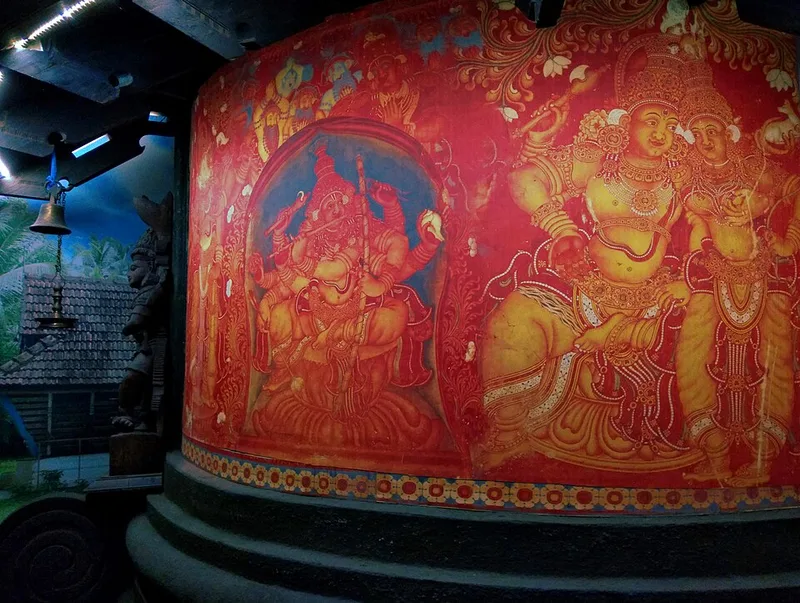
Mattancherry is Fort Kochi's older twin, a short walk or auto ride away, and it holds the district's densest heritage. The Dutch Palace and its temple murals, the Paradesi Synagogue and the antique lanes of Jew Town all sit within a few blocks, still ringed by working spice warehouses. Do it in the morning, and note the synagogue closes on Fridays, Saturdays and Jewish holidays.
Highlights: the Dutch Palace and its temple murals, the Paradesi Synagogue, the antique lanes of Jew Town, and working spice warehouses.
Best time to visit: October to March. The synagogue closes on Fridays, Saturdays and Jewish holidays.
Who should visit: History and heritage lovers.
Ideal duration: Half a day, combined with Fort Kochi.
Nearest railway station: Ernakulam, about 12 km.
Timings and entry fee: The Dutch (Mattancherry) Palace costs about 2 rupees for adults, free under 15, and opens 9:45am to 1pm and 2pm to 4:45pm, closed Fridays. The Paradesi Synagogue charges a small fee and closes Fridays, Saturdays and Jewish holidays, as of September 2026.
Do the palace and synagogue in the morning only, and leave your camera in your bag, as photography is banned inside both.
27. Thrissur: Kerala's cultural capital and home of Thrissur Pooram
Thrissur calls itself Kerala's cultural capital, and during Thrissur Pooram in April or May it lives up to the claim with one of the loudest, grandest temple festivals in the state. The rest of the year it is a busy market town circled around the Vadakkunnathan temple, with the renowned Kerala Kalamandalam arts school nearby at Cheruthuruthy. A day is enough unless you time it for the Pooram.
Highlights: the Thrissur Pooram temple festival, the Vadakkunnathan temple at the centre of town, Kerala Kalamandalam nearby at Cheruthuruthy, and the Sakthan Thampuran market.
Best time to visit: October to March. Thrissur Pooram falls in April or May.
Who should visit: Culture and festival travellers.
Ideal duration: 1 day.
Nearest railway station: Thrissur, in town.
Timings and entry fee: The town is free to walk. The Vadakkunnathan temple interior is open to Hindus with a dress code. Thrissur Pooram falls in April or May, as of September 2026.
For Thrissur Pooram, book a room months ahead, and remember the temple interior is open only to Hindus with a dress code.
28. Guruvayur: Major pilgrimage and temple town
Guruvayur is one of Kerala's most important temple towns, built around the Sri Krishna temple that draws pilgrims from across the south. The town runs on temple time, with a constant round of rituals and weddings, and a captive elephant sanctuary at nearby Punnathur Kotta. The inner sanctum is for Hindus only and the dress code is strict, so check before you go.
Highlights: the Guruvayur Sri Krishna temple, the Punnathur Kotta elephant sanctuary nearby, and a constant round of temple rituals and weddings.
Best time to visit: October to February. The inner sanctum is for Hindus only, with a strict dress code.
Who should visit: Pilgrims and cultural travellers.
Ideal duration: Half a day to 1 day.
Nearest railway station: Guruvayur has its own station; Thrissur is about 30 km.
Timings and entry fee: The Guruvayur temple opens around 3am, closes about 1pm to 4:30pm, and runs to roughly 10pm, with the 3am Nirmalya darshan first and quietest. Entry to the sanctum is for Hindus only, with a strict dress code, as of September 2026.
Aim for the early Nirmalya darshan for the shortest queue, and leave phones and cameras outside, as they are not allowed in.
29. Thiruvananthapuram: Padmanabhaswamy Temple, museums and royal heritage
The state capital anchors the south and rewards a slower day than most people give it. The Sree Padmanabhaswamy Temple, one of the richest in the world, sits near the old Kuthiramalika palace and the Napier Museum's gardens. Kovalam beach is fifteen kilometres away, which makes the city an easy add-on to a coast stay. The temple admits only Hindus into the sanctum and enforces a dress code.
Highlights: the Sree Padmanabhaswamy Temple, the Napier Museum and zoo, the Kuthiramalika palace, and Kovalam beach next door.
Best time to visit: October to March. The temple admits only Hindus into the sanctum and enforces a strict dress code.
Who should visit: Culture travellers and families.
Ideal duration: 1 to 2 days.
Nearest railway station: Thiruvananthapuram Central, in town.
Timings and entry fee: Sree Padmanabhaswamy opens around 3:30am with general darshan from about 8:30am, then 5pm to 7:20pm, for Hindus only with a strict dress code. The Napier Museum opens 10am to 4:30pm, closed Mondays, about 20 rupees for Indian visitors, as of September 2026.
Dress code is strictly enforced at the temple, a mundu for men and a saree for women, with mundus sold nearby, and the Napier Museum is shut on Mondays.
30. Kannur: Stronghold of Theyyam traditions, forts and North Kerala culture
Kannur is the cultural heart of north Kerala and the best place to see Theyyam, the trance ritual performance that runs through the winter months in village shrines. Beyond the rituals there is the seafront St. Angelo Fort, Payyambalam beach and a long weaving tradition. It sits well off the standard circuit, which is exactly why it feels real. Muzhappilangad beach is next door.
Highlights: Theyyam ritual performances in season, St Angelo Fort, Payyambalam beach, the handloom weaving centres, and Muzhappilangad beach nearby.
Best time to visit: November to March, which covers most of the Theyyam ritual season.
Who should visit: Culture travellers and offbeat explorers.
Ideal duration: 1 to 2 nights.
Nearest railway station: Kannur, in town.
Timings and entry fee: St Angelo Fort is open in daylight with little or no fee, and Theyyam performances at village shrines are free to watch through the winter season, as of September 2026.
Theyyam happens at dawn in village shrines, so ask locally for the day's kavu or book a homestay that follows the calendar.
Best places to visit in Kerala by who you are travelling with
Use this to match the state to your group rather than working through the whole list. The days column is a realistic minimum for that combination, not a rushed one.
| You are travelling for | Go to | Why it fits | Days to give it |
|---|---|---|---|
| Family | Munnar, Kovalam, Kumarakom, Thekkady | Drive-up sights, calm beaches, easy boat cruises, safe pace for kids and older parents | 6 to 8 |
| Nature and wildlife | Wayanad, Periyar, Silent Valley, Athirappilly | Sanctuaries, forest treks, waterfalls, and the best chance of animals and birds | 5 to 7 |
| Adventure | Wayanad, Vagamon, Munnar (Kolukkumalai), Thusharagiri | Chembra and Edakkal treks, paragliding, jeep trails and waterfall hikes | 5 to 7 |
| Couples | Alleppey, Munnar, Varkala, Kumarakom | Houseboat nights, tea-hill quiet, cliff-top cafes and lakeside sunsets | 5 to 7 |
| Cultural experiences | Fort Kochi, Thrissur, Thiruvananthapuram, Kannur | Heritage quarters, Kathakali and Theyyam, temples and colonial history | 4 to 6 |
Best time to visit Kerala
October to March is the easiest window overall. The rain has cleared, the backwaters sit full, humidity drops, and the hills stay pleasant. December and January are peak, so book houseboats and hill hotels well ahead. June to September is monsoon, which is excellent for waterfalls, Ayurveda packages and low rates, but it means grey skies, some closed treks and rough seas. April and May turn hot on the coast while the hills still hold up. If beaches or a houseboat sundeck is your main reason for coming, avoid peak monsoon.
Planning your Kerala trip with trip2keralam
We are a Kerala-focused team based in the state, and the routes, seasons and operators in this guide are the ones we work with day to day. That local grounding is the difference between a plan that looks good on paper and one that survives real driving times, monsoon closures and booking caps. We know which houseboat operators actually take you into the small canals, which forest slots fill first, and when a famous stop is worth ninety minutes rather than a full day.
If you want a route built around your dates and group, our team handles trips end to end, from a first-timer's Munnar and Alleppey loop to a longer northern run through Wayanad, Bekal and Kannur. For a starting point, our Kerala tour packages cover the classic hills and backwaters circuit, couples usually begin with our Kerala honeymoon packages, and hill lovers with Munnar tourism and Wayanad tours.
Plan your route with us
Not sure how to string these places together? Tell our on-ground team your dates and who is travelling, and we will map a route that fits the season and skips the tourist traps. Talk to trip2keralam about your Kerala trip.
FAQs
Which is the number one place to visit in Kerala?
Munnar is the most popular single destination, thanks to its tea hills, cool weather and easy drive-up sights that suit every kind of traveller. That said, a houseboat night in Alleppey is the experience most people remember longest. For a first trip, pairing the two gives you Kerala's hills and backwaters in one loop.
What is the best month to visit Kerala?
December and January give the most reliable weather, with clear skies, full backwaters and pleasant hills, which is also why they are the busiest and priciest months. October, November, February and March are nearly as good with fewer crowds. Avoid peak monsoon from June to August if beaches or houseboat sundecks are your main reason for coming.
How many days are enough for a Kerala trip?
Seven to ten days suits most first-time visitors and covers hills, wildlife, backwaters and a beach comfortably. A five-day trip works if you keep to two or three nearby bases such as Munnar, Thekkady and Alleppey. Fewer than five days are best spent in the south around Kochi, Alleppey and Kovalam.
Which places in Kerala are best for families?
Munnar, Kovalam, Kumarakom and Thekkady work best for families. They offer drive-up viewpoints, calm swimming beaches, gentle boat cruises and a pace that suits both young children and older parents. A backwater night on a private houseboat is usually the highlight for kids.
Is Kerala worth visiting during the monsoon?
Yes, for the right traveller. Monsoon from June to September brings full waterfalls, deep green hills, genuine Ayurveda season and lower prices. The trade-offs are grey skies, rough seas that stop beach swimming, and some trek closures. It is a poor choice for a beach-first holiday and an excellent one for hills and wellness.
Do I need to book Kerala houseboats and wildlife slots in advance?
In peak season from November to January, yes. Good houseboats, the early Periyar boat cruises, and forest slots at places like Silent Valley and Gavi sell out, and daily entry to spots like Eravikulam is capped. Off season you can be more spontaneous, but booking a day or two ahead still saves you the best options.
What should I know about temple dress codes in Kerala?
Many major temples, including Sree Padmanabhaswamy and Guruvayur, admit only Hindus into the inner sanctum and enforce a strict dress code. Men wear a mundu with the upper body uncovered, and women wear a saree, set-mundu or salwar, not western clothing. Rules vary by temple, so check the specific one before your visit.