Thekkady, the hill town wrapped around Kerala's Periyar Tiger Reserve, is best known for lake boat cruises, spice plantations and jungle walks. Plan for two days, visit between October and February for the clearest weather, and book the Periyar boat cruise early because the good morning slots sell out fast.
Where is Thekkady and what is it known for?
Thekkady sits in Idukki district, high in the Western Ghats of central Kerala, at roughly 900 metres above sea level. The name usually covers both the Periyar Tiger Reserve and Kumily, the spice-trading town four kilometres away where most hotels, homestays and shops actually are. When people say they are staying in Thekkady, they usually mean Kumily.
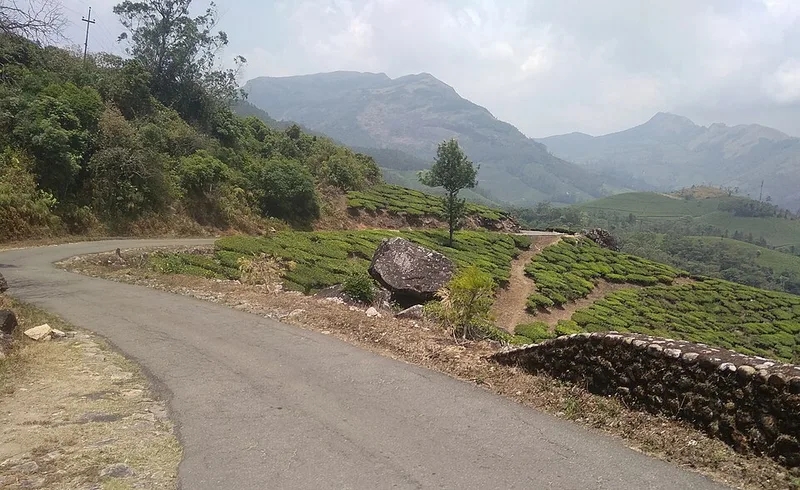
The pull here is wildlife and spice country in one place. A boat cruise on the Periyar lake, a guided forest walk, and a morning among cardamom and pepper vines make a sensible two-day plan. Thekkady pairs naturally with the hills, so many travellers reach it from Munnar, roughly three to four hours away, and continue to the backwaters after.
What is the weather like in Thekkady, and when should you go?
Go between October and February. That is the dry, cool window, with pleasant days and genuinely chilly mornings because of the altitude. Boating and treks run without weather trouble, and wildlife gathers near the water. The trade-off is crowds and higher room rates, so book ahead.
| Season | Months | What to expect | Verdict |
|---|---|---|---|
| Winter | Oct to Feb | Cool, dry, chilly mornings; best wildlife viewing | Best time, book early |
| Summer | Mar to May | Warm days, animals near water, cheaper stays | Good value, afternoon cruises pay off |
| Monsoon | Jun to Sep | Heavy rain, lush forest, leeches, boating may pause | Cheapest, but plan loosely |
March to May is warmer but still milder than the Kerala plains. Animals move to the lake to drink, which can make afternoon boat cruises rewarding, and hotels are cheaper. June to September is full monsoon. The forest looks its greenest, rates drop, and some travellers love it, but rain can shorten or suspend boat trips, trails turn slippery, and leeches are a real nuisance on walks.
Temperatures in the wider hill belt run from the mid-30s Celsius at the height of summer to the high teens on winter mornings (as of September 2026, based on typical Western Ghats hill-town ranges). Nights are cool enough for a light jacket almost year-round.
June to September rain can pause boat cruises and bring leeches to the trails. Wear closed shoes and leech socks, and keep your plans flexible.
What are the best places to visit in Thekkady?
The Periyar lake and reserve are the headline, but Thekkady rewards a bit of wandering into the spice hills and viewpoints around Kumily. Here is what is worth your time, and roughly how long each one takes.
| Place | Distance from Kumily | Time needed | Worth it for |
|---|---|---|---|
| Periyar lake and reserve | About 4 km | Half a day | Boat cruise, walks, wildlife |
| Kumily spice plantations | In and around town | 2 to 3 hours | Cardamom, pepper, guided estate walk |
| Murikkady | About 5 km | 1 hour | Spice and coffee slopes, viewpoints |
| Chellarkovil | About 15 km | 1 to 2 hours | Cascade and plains viewpoint |
| Ramakkalmedu | About 15 km | 2 hours | Wind-swept ridge, valley views |
| Gavi | About 40 km | Full day | Remote forest, needs advance permit |
| Mangala Devi Temple | About 15 km | Half day | Ancient stone temple, restricted access |
- Periyar lake and reserve. The boat cruise across the flooded valley is the main event, and the same landing is the launch point for guided walks and rafting. Give it half a day.
- Kumily spice plantations. Working cardamom, pepper, vanilla and coffee estates sit minutes from town. A guided estate walk shows you how each spice grows and is dried, and it is the best place to buy the current crop.
- Murikkady. A short drive out, where spice and coffee slopes open into valley viewpoints. Good for a quick stop and cooler air on the way to other spots.
- Chellarkovil. A small village with a stepped cascade, thin outside the monsoon, and a viewpoint that drops away to the Tamil Nadu plains far below.
- Ramakkalmedu. A high, wind-swept ridge on the Kerala and Tamil Nadu border with wide valley views. It is genuinely windy up there, so hold on to hats and phones.
- Gavi. A remote pocket of forest and grassland about 40 km on, reached only with an advance permit and vehicle. It is a full day, and it works far better as a planned trip than a same-day whim.
- Mangala Devi Temple. An ancient stone shrine deep in the reserve that opens to the public only around Chithra Pournami. The road is rough and access is restricted the rest of the year.
Two of these need planning. Gavi is a genuine forest experience but sits inside a restricted zone, so arrange the permit and vehicle in advance through the Gavi eco-tourism route rather than turning up. Mangala Devi Temple opens to the public only around Chithra Pournami, usually in April or May, and the access road is rough. Do not build a trip around it unless the date lines up.
How do I reach Thekkady? Nearest railway station and airport
Thekkady has no railway station or airport of its own. You reach Kumily by road, then it is a short hop to the reserve. Kottayam is the nearest useful railhead, and Madurai or Kochi are the closest airports.
| By | Nearest hub | Distance to Thekkady | Rough road time |
|---|---|---|---|
| Train | Kottayam railway station | About 114 km | 3 to 4 hours |
| Air (nearest) | Madurai airport (Tamil Nadu) | About 136 km | 3.5 to 4 hours |
| Air (major) | Cochin (Kochi) international airport | About 190 km | 4.5 to 5 hours |
| Road | Kumily on NH183 | 4 km to the reserve | Local taxi or auto |
Kottayam gives you the widest choice of trains and the smoothest drive up through Vandiperiyar. Fly into Kochi if you want an international connection or plan to add the backwaters; fly into Madurai if Thekkady is your first stop and you are coming from Tamil Nadu. From either airport or the station, prepaid taxis and buses run to Kumily, and Kumily itself is well connected by KSRTC and private buses to Kottayam, Ernakulam, Munnar and Madurai. Distances are as of September 2026.
What are the best things to do in Thekkady?
Most activities inside the reserve are run by the Periyar Foundation eco-tourism programme with trained local guides, several of them from the tribal communities who know the forest best. Book the popular ones online in advance through the Forest Department portal, because counter tickets for the boat and for guided treks sell out on busy days.
Book the boat cruise and treks online early on periyartigerreserve.org. On weekends and holidays, counter tickets sell out before mid-morning.
| Activity | Roughly how long | Notes |
|---|---|---|
| Periyar lake boat cruise | About 1.5 hours | The signature experience; book early |
| Bamboo rafting | Half to full day | Guided, early start, forest interior |
| Border hiking | About 3 hours | Morning trek along the reserve edge |
| Nature walk | About 3 hours | Short guided forest walk, easy pace |
| Jungle patrol / night trek | 3 hours | With forest guards, after dark |
| Periyar Tiger Trail | 1 to 2 nights | Camping trek with ex-poacher guides |
| Spice plantation tour | 2 to 3 hours | Cardamom, pepper, vanilla, coffee |
| Kathakali & Kalaripayattu shows | About 1 hour | Evening cultural shows in Kumily |
What each one actually involves:
- Periyar lake boat cruise. The signature 90-minute cruise across the lake. Take the 7:30 boat for the calmest water and the best chance of wildlife near the shore.
- Bamboo rafting. A guided half to full day on and beside the lake, quieter and deeper into the forest than the cruise. The pick for reasonably fit travellers who want more than the boat.
- Border hiking. A roughly three-hour morning trek along the edge of the reserve, moderate effort, with a guide.
- Nature walk. An easy guided forest walk of about three hours. Good if you want the forest without a hard trek.
- Jungle patrol or night trek. Three hours after dark with forest guards. Slots are limited, so book ahead.
- Periyar Tiger Trail. A one or two night camping trek led by former poachers turned guides. It is a serious walk and needs booking well in advance.
- Spice plantation tour. Two to three hours among cardamom, pepper, vanilla and coffee, worth it for how much you come away knowing.
- Kathakali and Kalaripayattu shows. Short evening shows in Kumily, staged for visitors, and a fair first taste of Kerala's classical dance-drama and martial art.
How much does the Periyar boat cruise cost, and when should you go?
The Forest Department boat cruise on the Periyar lake costs around ₹255 per adult and about ₹85 per child, plus the reserve entry fee, as of September 2026. There are usually five departures a day, roughly at 7:30, 9:30 and 11:15 in the morning and 1:45 and 3:30 in the afternoon. Report at the ticket counter in the Periyar parking area at least 30 minutes before departure, and up to an hour ahead on busy mornings; a Forest Department shuttle then takes you to the boat landing, about 15 minutes away.
Take the first boat at 7:30. The water is stillest, the light is best, and elephants and gaur are likelier near the shore before the day warms up.
The 9:30 slot is the most crowded and the one most likely to be full. Manage your expectations too. This is lake viewing from a distance, not a jeep safari, so bring binoculars, and treat a tiger sighting as a lottery win rather than the plan. What you will reliably see is birdlife, deer, wild boar and, on a good morning, elephants at the edge of the water.
Treat a tiger sighting as a lottery win rather than the plan.
For reference, reserve entry as of September 2026 runs about ₹45 for Indian adults and ₹500 for foreign nationals, with lower rates for children, plus small camera charges. Foreign visitors pay noticeably more across most activities, so factor that in.
Which guided forest activities are worth booking?
If you want more than the boat, bamboo rafting is the pick for most fit travellers. It is a guided day on and beside the lake that gets you far quieter than the cruise, with an early start and a real chance of wildlife. Border hiking and the plain nature walk are gentler morning options. The Periyar Tiger Trail is a serious one or two night camping trek led by former poachers turned guides, and it needs booking well ahead. All of these are weather-dependent and can be cut short in heavy monsoon.
Outside the reserve, a spice plantation tour around Kumily is genuinely worth two hours, especially if you like knowing where your pepper and cardamom come from. Skip the elephant rides sold around town if animal welfare matters to you; they are a private, touristy add-on rather than part of the protected reserve. Evening Kathakali and Kalaripayattu shows in Kumily are short, staged for visitors, and a fair introduction to Kerala's classical dance-drama and martial art if you have not seen them elsewhere.
Thekkady travel tips worth knowing before you go
A few practical things save time and money here, and a couple of them are easy to get wrong.
- Book the boat and treks online early. Use the official Forest Department portal, periyartigerreserve.org, for the boat cruise, rafting and treks. On weekends and holidays, counter tickets go before mid-morning.
- Carry a light jacket. Mornings and evenings are cool at this altitude, even in summer, and the first boat can be cold on the water.
- Buy spices from the plantation, not the main road. Kumily's tourist-strip shops often mark up cardamom, pepper and vanilla. Buy on an estate visit or from a cooperative, and check you are getting the current crop.
- Respect the plastic ban. The reserve restricts single-use plastic; carry a refillable bottle and take your waste back out.
- Prepare for leeches in the wet months. From June to September, wear closed shoes and leech socks on any walk, and keep salt or a repellent handy.
- Keep some cash. ATMs exist in Kumily but can run dry, and mobile signal thins out inside the forest and towards Gavi.
- Two nights is the sweet spot. One full day covers the boat and a plantation; a second lets you add a trek or a viewpoint like Ramakkalmedu without rushing.
Interesting facts about Thekkady and Periyar
- The lake is man-made. The Periyar lake formed when the Mullaperiyar Dam was built across the Periyar river in 1895, flooding the valley you now cruise across.
- You watch wildlife from the water. Periyar is one of the few reserves in India where the main way to see animals is a boat on a lake rather than a road safari.
- It is a protected tiger reserve. Periyar was declared a wildlife sanctuary in 1950 and brought under Project Tiger in 1978, though elephants and gaur are seen far more often than tigers.
- Spice trade runs deep here. Kumily has been a cardamom and pepper trading centre for generations, and the hills around it are still working spice estates.
- Local communities guide the forest. Several eco-tourism guides come from the tribal communities living in and around the reserve, and some former poachers now lead the Tiger Trail.
Planning your Thekkady trip with trip2keralam
We are a Kerala-based travel team specialising in experiences across the state, and Thekkady is a route we run constantly. Our people on the ground know which boat slot to aim for, which plantation gives an honest tour, when Gavi permits need arranging, and how the monsoon actually changes what is worth doing that week. We handle the parts that eat a traveller's time: reserve timings, transfers up from Kottayam or Kochi, and stays in Kumily that suit how you travel.
If you would rather have the logistics sorted, see our Thekkady tour packages, or look at a wider Kerala itinerary that links Thekkady with Munnar and the backwaters. We tailor the plan to your dates and pace rather than selling a fixed slot. Tell us your dates, and our Kerala team will sort the boat timings, transfers and stays.
FAQs
How many days do you need in Thekkady?
Two nights is ideal. One full day covers the Periyar boat cruise and a spice plantation tour, and a second day gives you room for a guided trek, bamboo rafting, or a viewpoint like Ramakkalmedu. A single night works only if you are just doing the boat cruise on the way between Munnar and the backwaters.
Is the Thekkady boat cruise worth it?
Yes, for the setting and the birdlife, with realistic expectations. It is calm lake viewing from a distance, not a close-up safari, so bring binoculars and take the earliest boat for the best light and wildlife. Do not book it expecting guaranteed tiger or elephant sightings; elephants near the shore are a good-morning bonus, not a certainty.
What is the best time to visit Thekkady?
October to February, for cool, dry weather and the best wildlife viewing near the water. March to May is warmer but cheaper, with animals drawn to the lake in the afternoons. June to September is lush but wet, with leeches on trails and boat trips that can be shortened or paused by rain.
Which is the nearest railway station and airport to Thekkady?
The nearest railway station is Kottayam, about 114 km away and a three to four hour drive. The nearest airport is Madurai in Tamil Nadu, about 136 km away, while Cochin international airport is about 190 km away and better for international or backwater-linked trips. Figures are as of September 2026.
Do you need to book Periyar boat tickets in advance?
On weekends, holidays and through the winter season, yes. Book the boat cruise online via the Forest Department portal, periyartigerreserve.org, or reach the counter early, as the popular morning slots fill quickly. In the quieter monsoon months, you can often get a same-day ticket, though trips may be weather-affected.
Is Thekkady good for a family trip?
It is one of the more family-friendly stops in Kerala. The boat cruise, spice tour and cultural shows suit most ages, and the town is compact. Skip the tougher night treks with very young children, and carry warm layers for cool mornings. Keep an eye on children near the busy lake boarding area.
How far is Thekkady from Munnar?
About 90 to 110 km by road, which is a three to four hour drive through hill country and spice estates. The two pair well as a hills and wildlife combination, and most Kerala itineraries link them, often with the backwaters at Alleppey or Kumarakom added afterwards.