March is a good shoulder-season month in Kerala, still mostly dry but warming fast. The coast runs hot near 33°C with warm nights, while Munnar stays cool around 26°C by day. Rain is light on the coast, with pre-monsoon showers starting inland. Crowds and rates ease, but Eravikulam National Park is closed.
How is Kerala's weather in March?
March is warm, largely dry on the coast and still cool in the hills, with pre-monsoon showers starting to build inland. It is the last comfortable stretch of the dry season before April's heat sets in.
Weather in Kerala in March
Kerala's dry season runs out in March. On the coast, days climb into the low to mid 30s and nights stay warm near 25°C, with the humidity creeping up week by week. Go up into the hills and the trip changes. Munnar sits around 26°C by day and 15°C at night, cool and clear but milder than the single-digit frost of December and January. The high ranges and the interior also catch the first pre-monsoon thundershowers, usually short and late in the day. The sea is warm, near 29.5°C. One state, two paces: the coast heating up, the hills holding on to the cool a little longer.
Overall Temperature in Kerala, area wise
The figures below are long-term March averages, not a forecast for any single year. They are grouped by region because a March afternoon on the Kozhikode coast and a March morning in Munnar are not the same trip.
| Region and place | Avg high (°C) | Avg low (°C) | Rainfall (mm) | Rainy days | Sea (°C) |
|---|---|---|---|---|---|
| Munnar (hill) | 26 | 15 | 72 | 8 | not applicable |
| Wayanad, Kalpetta (hill) | 30 | 19 | 38 | 6 | not applicable |
| Vagamon (hill) | 31 | 20 | 102 | 10 | not applicable |
| Thekkady, Kumily (hill) | 31 | 19 | 75 | 8 | not applicable |
| Alleppey (Alappuzha) | 32.9 | 25.4 | 45 | 3 | 29.5 |
| Thiruvananthapuram (Trivandrum) | 32.2 | 25.8 | 35 | 4 | 29.5 |
| Kollam | 32.2 | 25.8 | 35 | 4 | 29.5 |
| Kozhikode (Calicut) | 34.2 | 25.7 | 15 | 1 | 29.5 |
| Nelliampathy (hill, near Palakkad) | 27 | 14 | 45 | not applicable | not applicable |
| Gavi (forest, high range) | 31 | 19 | 75 | not applicable | not applicable |
| Athirappilly (foothill, Thrissur) | 32.9 | 25.4 | 45 | 3 | not applicable |
These are long-term March averages, not a forecast for any single year, and are indicative. Munnar, Wayanad, Vagamon, Thekkady, Nelliampathy and Gavi have no dedicated IMD station, so their figures are modelled estimates. March rainfall in the hills falls as short pre-monsoon thundershowers spread over several afternoons, which is why the hill rain-day counts run higher than the coast on a small total.
Kerala Hill Stations: Weather and Temperature
- Munnar. Days near 26°C and nights around 15°C, cool and bright but milder than the deep winter cold. Pre-monsoon showers build in the afternoons later in the month, so mornings are the safe window for the tea-estate drive. Note that Eravikulam National Park is closed through March.
- Wayanad. Warmer than Munnar, with days near 30°C and nights around 19°C. Comfortable for Edakkal Caves, estate country and wildlife, with the odd evening shower. Check centre and route access before you fix a plan.
- Vagamon. Breezy days near 31°C and cool evenings around 20°C. March brings the heaviest early showers of this group across scattered afternoons, so meadow and pine walks are best kept to the morning.
- Thekkady (Kumily). Mild days near 31°C and evenings around 19°C in the Periyar belt. The rain-shadow position keeps March drier underfoot than the west-facing hills, which suits the lake and the spice-garden walks.
Kerala Coastal and Backwater Regions: Weather and Temperature
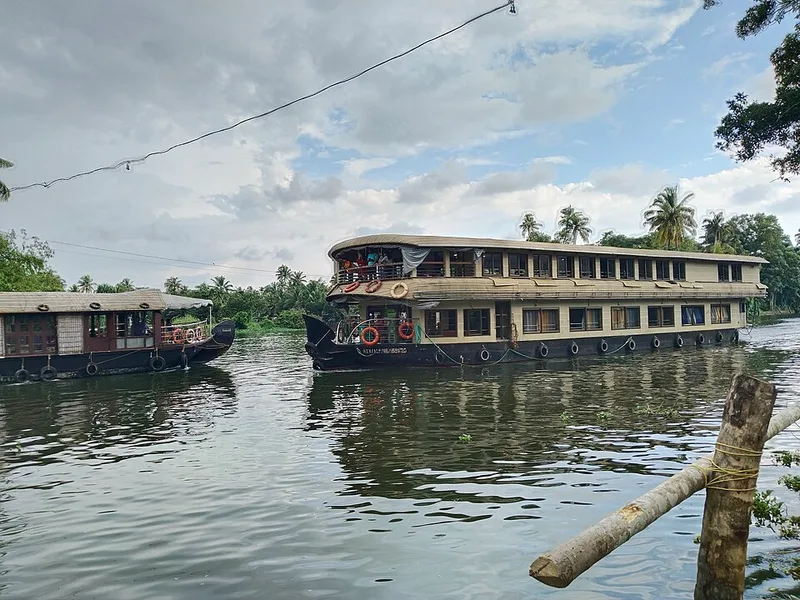
- Alleppey (Alappuzha). Hot and mostly dry near 33°C by day and 25°C at night, with the backwaters still calm for houseboats and better value than in the January peak.
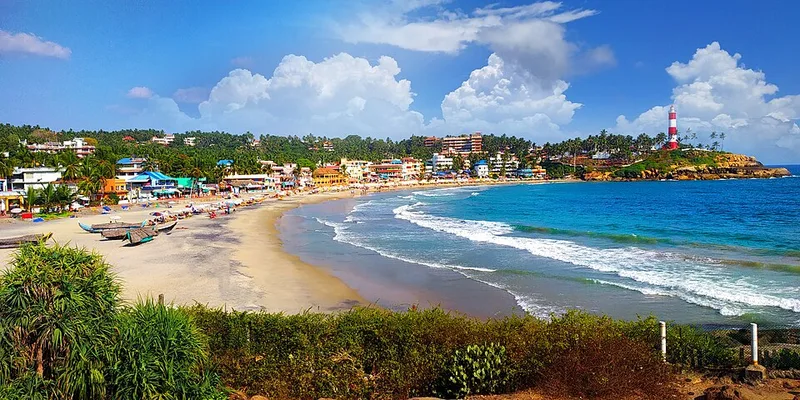
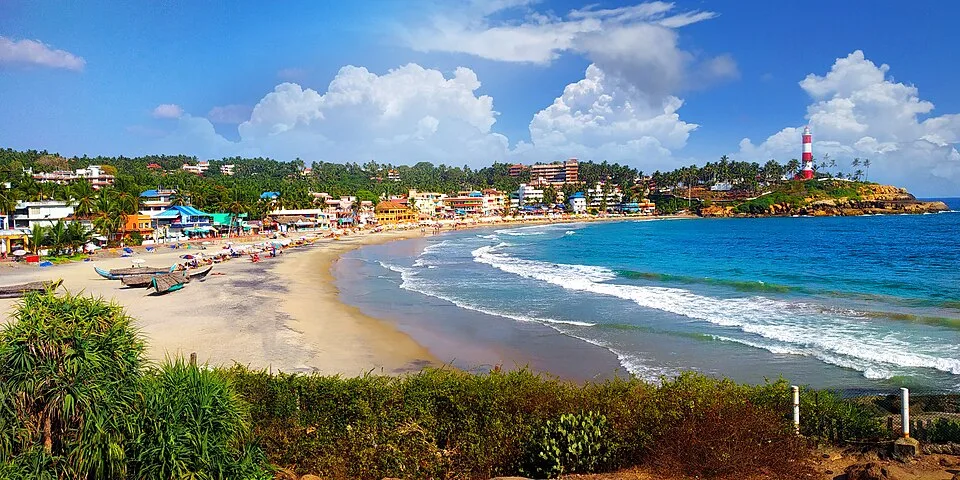
- Thiruvananthapuram (Trivandrum). Around 32°C by day and a warm 26°C at night, with easy access to the southern beaches and a sea near 29.5°C.
- Kollam. Much like Thiruvananthapuram, hot and largely dry, and the quieter southern gateway into the backwaters.
- Kozhikode (Calicut). The hottest and driest of the coast in March, near 34°C by day with barely any rain, so start the day early and keep to the shade by midday.
Kerala's Other Destinations: Weather and Temperature
- Nelliampathy. A quiet hill station near Palakkad, cooler than the coast at about 27°C by day and 14°C at night, with orange and tea estates and far fewer visitors than Munnar.
- Gavi. A forest and eco-tourism belt in the high range, fresh and misty in the mornings near 31°C by day, good for guided treks and birdwatching away from the crowds. Permits and stays are limited, so book ahead.
- Athirappilly. The waterfall near the Thrissur foothills, warm at around 33°C. The falls run lower in March than after the rains, but the drive through the forest and the viewpoints still reward a half day.
Is there any Rainfall in March?
Light on the coast, more active in the hills. The coastal towns average roughly 15 to 45 mm across one to four days, with Kozhikode the driest and the south a little wetter, so rain rarely disrupts a beach or backwater plan. The hills and the interior are the difference this month. Munnar, Thekkady and Vagamon pick up the first pre-monsoon thundershowers, often 70 to 100 mm spread over eight to ten afternoons. These are short, sharp and usually late in the day, clearing by night, so they rearrange an afternoon rather than a trip. Keep hill sightseeing to the morning and you will mostly stay ahead of them.
How is the Sea Temperature in Kerala?
The Arabian Sea off Kerala sits around 29.5°C in March, holding close to that from Thiruvananthapuram up to Kozhikode and a touch cooler near Bekal (climatestotravel, 1991 to 2020). [VERIFY: confirm against INCOIS or IMD sea surface temperature data.] That is warm, bath-like water for time at the beach. Whether it is safe to swim on a given day is a separate question, covered below.
What to pack for a trip to Kerala in March?
Pack light for heat, with one thin layer for the hills and a cover for the odd afternoon shower.
- Light cottons and linen for the hot, humid coast and backwaters, in loose, breathable cuts.
- One thin layer for the hills, a light fleece or shawl for Munnar and Nelliampathy mornings. You will not need the heavy jacket that January demands.
- Strong sun protection. The pre-monsoon sun is fierce by mid-morning, so carry a hat, sunglasses and a high-SPF sunscreen.
- A refillable water bottle. Heat and rising humidity make it easy to get dehydrated on sightseeing days.
- A light rain shell or compact umbrella for afternoon thundershowers in the hills and interior.
- Closed walking shoes for estate and forest trails, and sandals for the coast.
- Modest clothing for temples, with shoulders and knees covered. Some temples set specific dress rules, so check before you go.
- Insect repellent for backwater evenings and wildlife areas.
If your route pairs the hills with the coast, keep the thin layer handy only for early mornings. By day you will be in warm-weather clothes almost everywhere.
What festivals and events to attend in March in Kerala?
March carries a run of temple festivals and the start of the Christian Holy Week, though several dates shift with the Malayalam calendar. Confirm each one close to travel.
- Attukal Pongala, Thiruvananthapuram. The record women's gathering at the Attukal Bhagavathy Temple, when lakhs line the city to cook pongala over open hearths. It straddles the Feb to March turn: it fell on 3 March in 2026, but the 2027 festival begins on 14 February, so the Pongala day lands in late February that year.
- Maha Shivaratri, Aluva. The biggest Shivaratri gathering in Kerala forms on the Periyar river sandbank at Aluva, near Kochi, where devotees stay up through the night. The date moves between late February and early March: it was 15 February in 2026 and falls on 6 March in 2027.
- Chettikulangara Bharani, Mavelikkara. A Kumbha Bharani festival at the Chettikulangara Devi Temple, known for the Kettukazhcha, towering decorated effigies pulled to the temple ground by teams from twelve karas. This festival will fall on 13th March in 2027.
- Painkuni festival and Arattu, Thiruvananthapuram. The ten-day Painkuni festival at the Sree Padmanabhaswamy Temple in the Malayalam month of Meenam, closing with the Arattu procession to Shanghumukham beach. The grand procession will culminate on 22nd March 2027.
- Holy Week and Easter. Palm Sunday, Good Friday and Easter fall in late March in some years, with Easter on 28 March in 2027, drawing processions and the Malayatoor hill pilgrimage near Kochi.
- Theyyam season, north Kerala. The ritual Theyyam season in Kannur and Kasaragod runs into March and tails off through April, so the north still has performances at village kavus early in the month. Specific temple dates are not announced far ahead.
Is the Sea Safe for Swimming and Water Sports in March?
Among the more swimmable months, but never assume any beach is safe. March seas are still calm compared with the June to September southwest monsoon swell, and the water is warm, which makes it one of the easier months to get in. That is not the same as safe. Kerala's Arabian Sea coast carries a year-round risk of sudden undercurrents and rip currents, and some beaches have no lifeguards at all.
- Swim only where lifeguards are on duty and flags mark the patrolled zone. At Kovalam, red-and-yellow flags mark the guarded stretch.
- Treat calm-looking water with caution. Lifeguards report that most rescues happen 300 to 500 m from shore, where undercurrents strengthen.
- Water sports such as parasailing and jet-ski rides still run at the busier beaches like Kovalam through March, the tail of the season, with licensed operators. Confirm the operator and the conditions on the day.
- If there is no guard and no flag, do not swim out.
How Crowded is Kerala in March?
Shoulder season, quieter and better value than the winter peak. The December to February crush has passed, so March brings thinner crowds at the big sights, easier houseboat and hotel availability, and softer rates than January. The exception is the weekend, when hill stations like Munnar and Vagamon fill with domestic visitors escaping the plains heat, so midweek is calmer if you can plan it.
One thing to time around: the temple festival days. Attukal Pongala, Shivaratri at Aluva and the larger Bharani festivals draw very large local crowds to specific towns on specific days, which tightens accommodation and roads in those pockets. Away from those, March is one of the more relaxed months to travel.
How much does a Kerala Trip Cost in March?
Below the December and January peak, with rates easing into shoulder season. As a rough guide, a mid-range March trip runs about Rs 3,500 to Rs 8,000 per person per day, twin sharing and land only, covering a mid-range hotel, a car with driver, entry fees and meals, and excluding flights. For two people over a week that is roughly Rs 50,000 to Rs 1,10,000 before flights, depending on hotel class and any houseboat night. Treat these as indicative, as of October 2026.
The houseboat is where the price moves most. For a one-bedroom boat in Alleppey or Kumarakom, reckon on roughly Rs 6,000 to Rs 11,000 a night for a deluxe, Rs 11,000 to Rs 18,000 for a premium, and anywhere from Rs 18,000 to about Rs 45,000 for a luxury, charged per boat per night with meals usually thrown in. March rates sit a notch under the New Year peak.
What moves the price in March specifically: there is no peak surcharge, so headline rates are softer, but festival days can spike demand in their towns and hill-station weekends still carry a premium. If you are shaping a budget, our Kerala tour packages and the Alleppey backwater houseboat package give you a current, costed per-person starting point.
Best Kerala activities in March
The warm, mostly dry weather keeps the coast and the hills open, and a few things are at their best this month specifically.
- Periyar Lake boat cruise. Take the cruise at Thekkady. March is prime for it, as shrinking water sources pull wildlife to the lake edge and sightings improve. The KTDC boat fare is INR 450 per person.
- Tea-estate mornings in Munnar. Walk the estates and drive to Mattupetty and Top Station in the cool early light. With Eravikulam closed, these are the Munnar highlights this month.
- Wildlife and Edakkal in Wayanad. Pair a morning safari with the Edakkal Caves and estate country, keeping afternoons free for the odd shower.
- Backwater houseboat night. Spend a night on an Alleppey or Kumarakom boat while the backwaters are calm, dry and better priced than in peak season.
- Beach day at Varkala or Kovalam. Take a slow beach day with warm water and a sea calmer than the monsoon leaves it, swimming only where guards are posted.
- Cool-air escape to Nelliampathy or Gavi. Trade the coastal heat for a quiet hill or forest day, with estate viewpoints at Nelliampathy and guided treks around Gavi.
What are the Best 5 Places to Visit in Kerala in March?
Chosen for what March does well: dry-season wildlife, hills that are still cool, warm swimmable sea and shoulder-season value.
- Thekkady (Periyar). March is one of the best months for Periyar. As the dry season deepens, wildlife moves to the lake to drink, so the boat cruise and guided nature walks give you better sightings than the wet months. The Kumily spice gardens and cardamom-hill drives round out an easy two-day base, and the rain-shadow belt stays drier underfoot than the western hills.
- Munnar. Munnar stays cool and clear in March, days near 26°C and nights around 15°C, ideal for tea-estate walks and the Mattupetty and Top Station viewpoints. The one catch is Eravikulam National Park, closed through February and March for the Nilgiri tahr calving and reopening around 1 April, so plan the hills without it this month.
- Wayanad. Wayanad suits March for cooler hill air, quieter trails and a mix of wildlife and heritage. The Edakkal Caves, estate country and the sanctuary edges fill a comfortable two days, with mornings clear and the odd late shower. Check current access to specific centres and routes before you lock the plan, as some remain restricted.
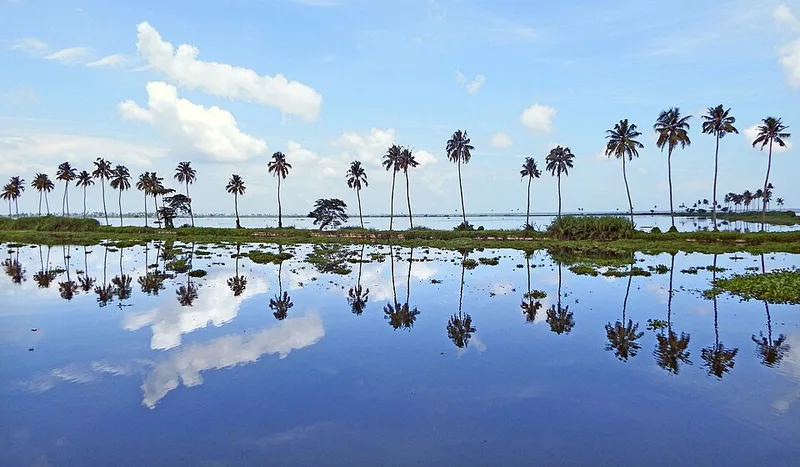
- Alleppey and Kumarakom backwaters. The backwaters are warm, calm and still dry in March, and crucially cheaper and less crowded than during the January peak. An overnight houseboat through the Alleppey and Kumarakom canals gives you open paddy views and easy nights, and booking is far simpler now than it is in the winter high season.
- Nelliampathy. For a quieter hill day, Nelliampathy near Palakkad trades Munnar's crowds for orange and tea estates, forest viewpoints and cool nights around 14°C. The drive up through the hairpins is part of the appeal. It works well as an add-on from the Palakkad side or a calmer alternative if Munnar feels too busy.
For a route that strings the hills, wildlife and backwaters together, our best of Kerala circuit through Kochi, Munnar, Thekkady and Alleppey fits March well, and the Munnar tour packages cover the hills on their own.
Travel tips for a Kerala trip in March
- Do not build Munnar around Eravikulam. The park is closed through March and reopens around 1 April, so plan Mattupetty, Top Station and the estates instead.
- Pack a thin layer, not a jacket. March hill nights are mild compared with January, so a light fleece or shawl is enough.
- Start early on the coast. Midday heat and UV are strong by March, so front-load beaches and city sightseeing and rest through the afternoon.
- Keep hill sightseeing in the morning. Pre-monsoon thundershowers tend to come late in the day inland, so you will usually stay ahead of them.
- Hydrate. The combination of heat and rising humidity catches people out, so carry water and pace the day.
- Confirm festival dates before you commit. Attukal Pongala in particular shifts between late February and early March, so check the year you travel.
- Book Periyar cruises and safaris ahead. March is a strong wildlife month, and the lake cruises fill, especially on weekends.
- Travel midweek for the hills. Munnar and Vagamon fill with domestic weekend visitors, so midweek is calmer and often cheaper.
- Check Wayanad access. Confirm which centres and routes are open before relying on a specific spot, as some remain restricted.
- Swim only at lifeguarded beaches. Follow the flags, and stay out of the water where there is no guard.
Thinking about a different month? Compare with Kerala in February for drier, slightly cooler weather at higher winter rates, or Kerala in April for the hotter pre-monsoon build-up around Vishu and Thrissur Pooram. For the wider picture, see our best time to visit Kerala guide.
FAQs
Yes, for most trips. March is mostly dry, the hills are still cool, the sea is warm and crowds and rates have eased from the winter peak, so it offers good value and space. The trade-offs are a hot, humid coast by midday, the first pre-monsoon showers inland, and Eravikulam National Park closed. It suits travellers who want wildlife, hills and beaches without peak-season prices.
On the coast, yes. Coastal towns run from the low to mid 30s by day, with Kozhikode near 34°C, and nights stay warm around 25°C, with humidity climbing through the month. The hills are far more comfortable: Munnar sits near 26°C by day and 15°C at night, and Nelliampathy is cooler still. March is warm rather than extreme, but April is hotter.
Not much on the coast, which averages roughly 15 to 45 mm across one to four days. The hills and interior are different, picking up the first pre-monsoon thundershowers, often 70 to 100 mm over eight to ten afternoons. These are short and usually late in the day, so they rearrange an afternoon rather than a whole trip. The southwest monsoon proper does not arrive until June.
No. Eravikulam, near Munnar, closes through February and March each year for the Nilgiri tahr calving season and typically reopens around 1 April. So a March Munnar trip misses the park and the tahr. Plan the tea estates, Mattupetty and Top Station instead, and confirm the exact reopening date with the Kerala Forest and Wildlife Department if you are travelling in late March.
Often, but carefully. March seas are calmer than the monsoon months and the water is warm near 29.5°C, which makes it one of the more swimmable times of year. No Kerala beach is automatically safe, though, as undercurrents and rip currents are a year-round risk. Swim only where lifeguards are on duty and flags mark the patrolled zone, and stay out when there is no guard.
Usually, yes. March is shoulder season, so hotels, houseboats and tours sit below the December to January peak and there is no New Year surcharge. Availability is easier too. The exceptions are hill-station weekends, which still carry a premium, and the towns hosting big temple festivals on their festival days, where rooms tighten briefly. Midweek travel outside festival pockets gives the best value.
Pack light for heat. Breathable cottons, strong sun protection and a refillable water bottle for the hot, humid coast, plus one thin layer, a light fleece or shawl, for cool hill mornings. You will not need the heavy jacket January calls for. Add a light rain shell for afternoon hill showers, closed shoes for trails, modest clothing for temples and insect repellent for the backwaters.
March is busy with temple festivals. Attukal Pongala in Thiruvananthapuram and Maha Shivaratri at Aluva fall around the February to March turn, the Chettikulangara Bharani brings its towering Kettukazhcha effigies, and the Painkuni festival at Sree Padmanabhaswamy runs into April. The Christian Holy Week and Easter also land in late March some years. Dates move with the calendar, so confirm the year you travel.
March rewards travelers who want Kerala without the winter crush. If you are after dry-season wildlife at Periyar, cool hill mornings and a warm, calmer sea at shoulder-season rates, tell us your dates and we will build the route around them. Start with our Kerala tour packages.