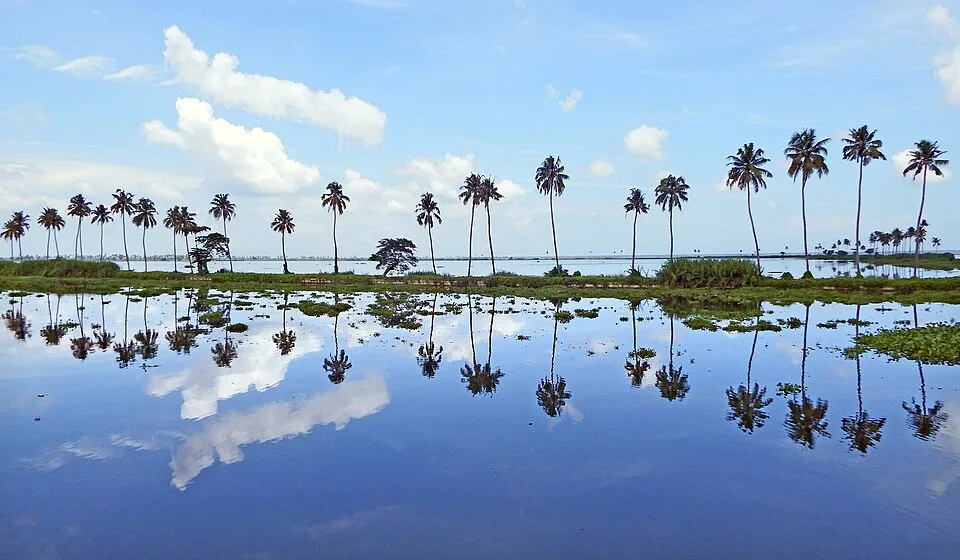
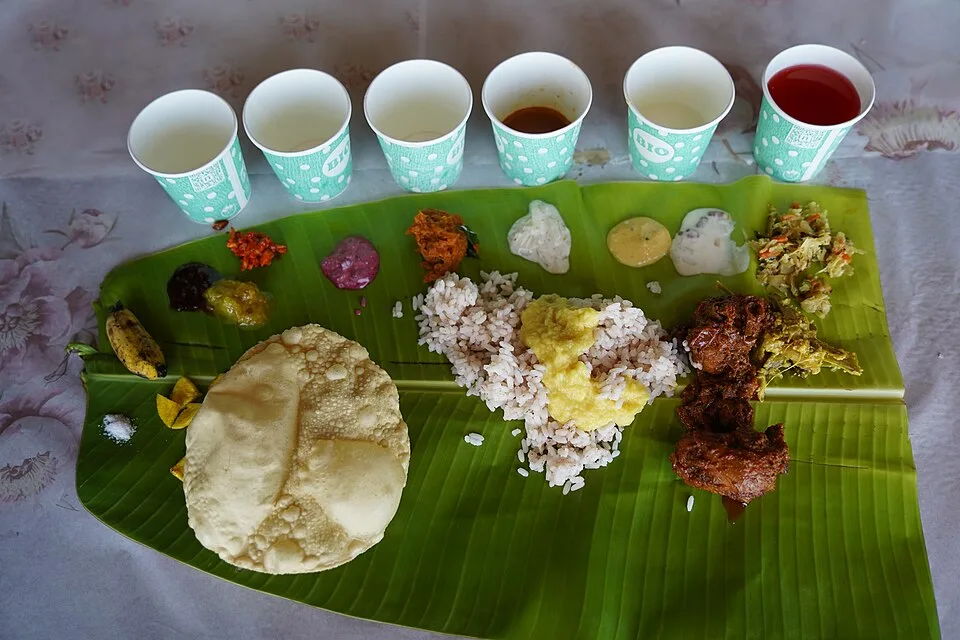
Kerala in February is one of the best months to visit: dry almost everywhere, warm on the coast near 32°C. And the hill nights are cool but no longer January-cold. Rainfall is a rare occurrence. Crowds ease after the New Year crush, though Eravikulam National Park near Munnar closes around 1 February for the Nilgiri tahr calving season.
How is Kerala's weather in February?
Most of Kerala is dry and steady in February, a little warmer than it was in January. The northeast monsoon is long gone, so the coast stays rainless, the backwaters stay calm, and the hills turn cool rather than cold.
Weather in Kerala in February
Kerala’s final spell of real rain came in October and November, carried by the northeast monsoon. By February the state is deep in its dry season rather than at the tail of a wet one. Along the coast, daytime temperatures reach the low 30s and nights settle near 24°C, slightly warmer and stickier than January. Move inland and gain height, and the holiday shifts entirely. Munnar and Vagamon still turn cool once the sun drops, but the single-digit frost of January has largely let up. It is one state with two climates, decided by whether you head for the sea or the hills.
Overall temperature in Kerala, area wise
The figures below are long-term February averages, not a forecast for any single year. They are grouped by region because a February day in Munnar and a February day in Kovalam are not the same holiday.
| Region and place | Avg high (°C) | Avg low (°C) | Rainfall (mm) | Rainy days | Sea (°C) |
|---|---|---|---|---|---|
| Munnar (hill) | ~22 | ~10 | low | 0 to 1 | not applicable |
| Wayanad, Kalpetta (hill) | ~30 | ~16 | low | 0 to 1 | not applicable |
| Vagamon (hill) | ~26 | ~13 | low | 0 to 1 | not applicable |
| Thekkady, Kumily (hill) | ~29 | ~17 | low | 1 | not applicable |
| Alleppey (Alappuzha) | 32.3 | 24.2 | 25 | 1 | 28.5 |
| Thiruvananthapuram (Trivandrum) | 31.4 | 24.5 | 25 | 2 | 28.5 |
| Kollam | 31.4 | 24.5 | 25 | 2 | 28.5 |
| Kozhikode (Calicut) | 33.5 | 24.1 | 5 | 0 | 28.5 |
| Marari (central coast) | ~32 | ~24 | 25 | 1 | 28.5 |
| Nelliampathy (hill) | ~26 | ~12 | low | 0 to 1 | not applicable |
| Gavi (forest) | ~29 | ~18 | low | 1 | not applicable |
These temperatures are indicative long-term February averages, not a forecast for any single year. Munnar, Wayanad, Vagamon, Thekkady, Nelliampathy and Gavi have no dedicated IMD weather station, so their figures are approximate
Kerala Hill Stations: Weather and Temperature
- Munnar. Still the coldest of the four hill, but gentler than in January. Overnight lows now sit in the low teens instead of dropping to single figures, and daytimes stay clear at around 22°C. You will want a light jacket for the early morning drive through the tea estates.
- Wayanad. Mild and dry, cooler after dark but comfortable, with daytime walking weather around 30°C. Good for plateau drives and the Edakkal caves before the March heat builds.
- Vagamon. Breezy through the day and cool in the evenings, the meadows and pine forest at their most walkable before the pre-monsoon haze sets in.
- Thekkady (Kumily). Mild days near 29°C and pleasant evenings, easy weather for the Periyar area without any real cold.
Kerala Coastal and Backwater Regions: Weather and Temperature
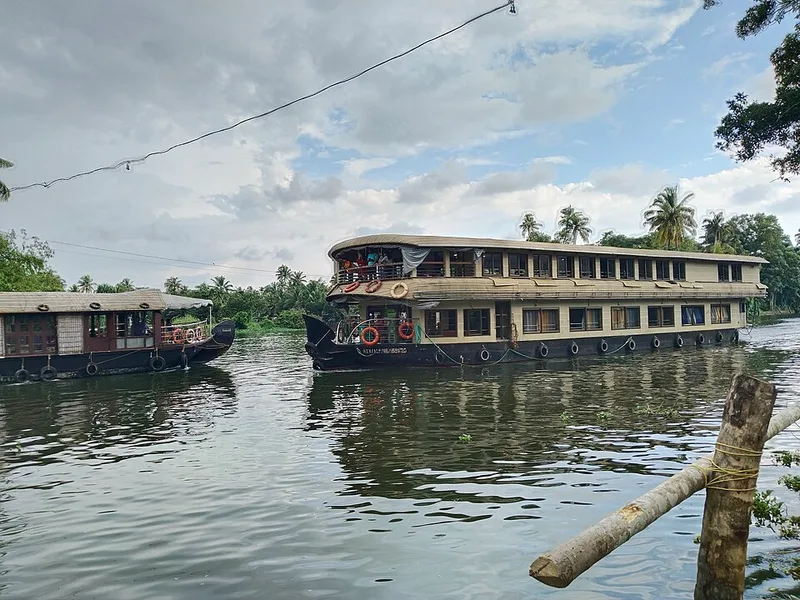
- Alleppey (Alappuzha). Warm and dry near 32°C by day and 24°C at night, with the calm water that carries the February houseboat season.
- Thiruvananthapuram (Trivandrum). Close to 31°C by day and 24°C at night, almost no rain, and the southern beaches within easy reach. The Attukal Pongala crowds fill the city mid-month.
- Kollam. Much like Thiruvananthapuram, warm and dry, and the quieter southern way into the backwaters.
- Kozhikode (Calicut). Warmer and drier again near 33°C, the northern coast getting its first taste of the pre-monsoon heat.
Kerala's Other Destinations: Weather and Temperature
- Marari. Quiet central-coast beach just north of Alleppey, the same warm dry weather as the backwaters with far fewer people, and a warming sea for long swims.
- Nelliampathy. A high, quiet hill station above Palakkad, cool and misty in the mornings, a calmer stand-in for Munnar now that Eravikulam has closed.
- Gavi. Remote forest and grassland in the Periyar belt, fresh and misty early in the day, reached on limited daily permits through Kerala Forest ecotourism.
Is there any rainfall in February?
Barely any. The coast averages roughly 5 to 25 mm across one or two rainy days, with the far north near Kozhikode close to bone dry. Rain almost never disrupts a February plan. The hills stay dry too, giving you the odd misty morning rather than a real shower. If anything, the north is drier than in January, and the real weather change this month is warmth, not wet. This is about as dependable as Kerala's weather gets.
How is the Sea Temperature in Kerala?
The Arabian Sea off Kerala sits around 28.5°C in February, holding between 28 and 28.5°C from Thiruvananthapuram up to Kozhikode, a shade warmer than January. That is comfortable water for long spells. Whether a given beach is safe to actually swim is a separate matter, and depends on the beach and the day, covered below.
What to Pack for a Trip to Kerala in February?
- Pack for warm coastal days and mild hill evenings, lighter on the heavy layers than January.
- Light cottons and linen for the coast and backwaters, where days run warm and the humidity is climbing.
- A light jacket or fleece for the hills. Munnar and Vagamon evenings are cool, but you can leave the heavy winter layer at home this month.
- Closed shoes for estate and forest walks and cool high-range evenings.
- Strong sun protection. The February sun is stronger than January's, so a hat, sunglasses and sunscreen matter from mid-morning.
- A light rain shell is optional and rarely needed, useful only for a misty hill morning.
- Modest clothing for temples, with shoulders and knees covered. Some temples set specific dress rules, so check before you go.
- Insect repellent for backwater evenings and wildlife areas.
If you are in Thiruvananthapuram around 22 February, the Attukal Pongala crowds fill the city. Light, breathable clothing and a refillable water bottle help if you are out in it.
What Festivals and Events to attend in February in Kerala?
February's calendar is led by one of the largest gatherings of women anywhere, alongside the north's ritual season. Dates move each year with the Malayalam calendar, so reconfirm the 2027 dates below close to travel.
- Attukal Pongala, Thiruvananthapuram. The main Pongala offering falls on 22 February 2027, within a festival running 14 to 23 February. Hundreds of thousands of women line the streets around the Attukal Bhagavathy temple to cook pongala over open fires, and the city effectively stops for the day.
- Theyyam season, north Kerala. February falls squarely inside the Theyyam ritual season in Kannur and Kasaragod, making it one of the stronger windows to see performances at village kavus. Individual temple dates tend not to be announced far in advance.
- Nishagandhi Dance Festival, Thiruvananthapuram. Kerala Tourism's classical dance festival usually runs for about a week in February at the Nishagandhi auditorium. The dates are yet to be announced for 2027.
Two festivals that fall in February some years land just outside it in 2027. Maha Shivaratri, marked by the Bali Tharpanam gathering on the Periyar banks at Aluva, is on 6 March 2027. Thaipooyam, the kavadi festival at Haripad and Koorkancherry, falls on 22 January 2027. Check the year before you plan a trip around either.
Is the Sea Safe for Swimming and Water Sports in February?
- Calmer than the monsoon and warmer than January, but never assume safe. February falls in the long dry-season window when the Arabian Sea is gentler than the June to September swell, which makes it one of the better swimming months. Gentle is not the same as safe. Kerala's coast carries a year-round risk of sudden undercurrents and rip currents, and some beaches have no lifeguards at all.
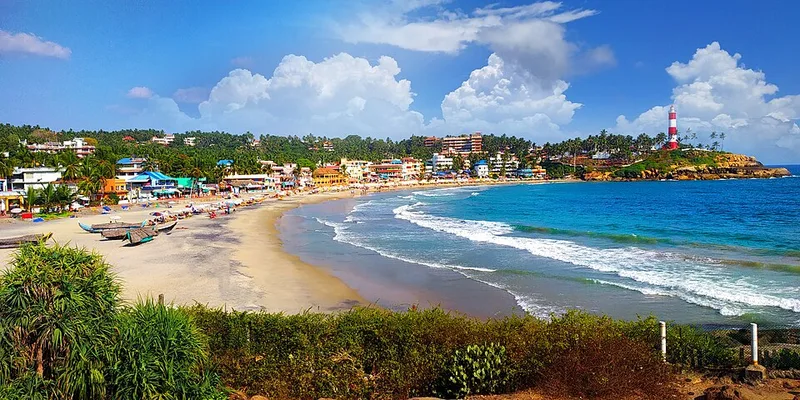
- Swim only where lifeguards are on duty and flags mark the patrolled zone. At Kovalam, red-and-yellow flags mark the guarded stretch.
- Treat calm-looking water with caution. Lifeguards report that most rescues happen 300 to 500 m from shore, where undercurrents strengthen.
- Water sports such as parasailing and jet-ski rides operate at the busier beaches like Kovalam through licensed operators. Confirm the operator and conditions on the day.
- If there is no guard and no flag, do not swim out.
How Crowded is Kerala in February?
February is a busy month, but easier than January. The month is still in the high season, yet the New Year crush is over and availability loosens through the month, especially from mid-February. Rates soften a little from the January peak without dropping to shoulder-season levels.
The one local spike is Attukal Pongala around 22 February, which fills Thiruvananthapuram's hotels and roads for a few days and is worth planning around if you are in the capital then. Munnar and the hill stations stay popular on February weekends, so book those ahead. Elsewhere, the backwaters and northern beaches are noticeably calmer than they were four weeks earlier.
How much does a Kerala trip cost in February?
A little less than January, still firmly in the high season. As a rough guide, a mid-range February trip runs about Rs 3,500 to Rs 8,500 per person per day, twin sharing and land only, covering a mid-range hotel, a car with driver, entry fees and meals, and excluding flights. For two people over a week that works out to roughly Rs 50,000 to Rs 1,15,000 before flights, depending on hotel class, how much hill-station premium you hit, and whether you add a houseboat night. Treat these as indicative, as of October 2026
What drives the biggest change in cost is the houseboat. In Alleppey and Kumarakom, a one-bedroom boat runs roughly Rs 7,000 to Rs 12,000 per night for a deluxe, Rs 12,000 to Rs 20,000 for a premium, and from Rs 20,000 up to about Rs 50,000 for a luxury, per boat per night, meals usually included. February carries no New Year surcharge, so rates ease slightly from the first week of January.
What moves the price in February, specifically: no New Year premium, steady demand on Munnar and Thekkady hill hotels, and a short local bump around Attukal Pongala in Thiruvananthapuram. If you are shaping a budget, our Kerala tour packages and the Alleppey backwater houseboat package give you a current, cost per-person starting point.
Best Kerala activities in February
- The dry, warm weather opens up almost everything, and a few things suit February in particular.
- Tea-estate walks in Munnar. Walk the estates in the mild morning air, cooler than the coast but past January's hard frost.
- A quieter hill station. With Eravikulam closed, swap the Rajamala crowds for Vagamon's meadows or Nelliampathy's cardamom slopes.
- Periyar Lake boat cruise. Take the Thekkady cruise, or a guided nature walk, in dry and settled conditions. The current KTDC boat fare, around Rs 450 per person.
- Backwater houseboat stay. Spend a night on an Alleppey or Kumarakom boat while the water is calm and the New Year rush has passed.
- Beach days at Varkala or Marari. The sea is warm and calmer than the monsoon, good for long, slow beach time.
- Attukal Pongala. If you are in Thiruvananthapuram around 22 February, witness the mass cooking offering that takes over the city.
What are the best 5 places to visit in Kerala in February?
- Chosen for what February does well: mild hill days without January's cold, calm backwaters, warm beaches and dry-season wildlife, with one Munnar sight now closed.
- Munnar. Munnar stays a highlight in February, mild and clear by day with cool evenings, ideal for tea-estate walks and the Mattupetty and Top Station viewpoints. The one change from January is real: Eravikulam National Park closes around 1 February for the Nilgiri tahr calving season and stays shut until about April, so the Rajamala tahr visit is off the table this month
- Alleppey and Kumarakom backwaters. The backwaters stay calm, dry and warm in February, with the January crowds thinning. An overnight houseboat through the Alleppey and Kumarakom canals gives you still mornings and open paddy views, and availability is often better than a month earlier. Book ahead for weekends.
- Thekkady (Periyar). Thekkady suits February for its dry-season wildlife and comfortable evenings. The Periyar Lake cruise is at its most pleasant now, and guided nature walks and spice-garden visits fill the days. With Eravikulam shut, it is also a strong base for anyone still wanting high-range forest.
- Varkala. Varkala gives you February sun on a dramatic clifftop, a warm sea calmer than the monsoon leaves behind, and a string of cafes along the edge. It is more relaxed than Kovalam and good for slow beach days. Swim only where lifeguards are posted, as currents remain a year-round risk here.
- Thiruvananthapuram (Trivandrum) and Kovalam. The capital rewards February with warm, rainless days, the Napier Museum and Sree Padmanabhaswamy temple in the city, and Kovalam's beaches close by. Time a mid-month visit around Attukal Pongala on 22 February and you will catch one of Kerala's biggest festivals at full scale.
For a route that strings Kochi, Munnar, Thekkady and Alleppey together, our best of Kerala circuit is built for exactly this kind of dry-season trip, and the Munnar tour packages cover the hills on their own.
Travel tips for a Kerala trip in February
- Do not build a February Munnar trip around Eravikulam. It closes about 1 February, so save the Nilgiri tahr for a January or post-April visit.
- Book hill hotels and weekend houseboats ahead. February is still the high season even with the New Year rush gone.
- If you are in Thiruvananthapuram around 22 February, expect Attukal Pongala to close roads and fill hotels. Plan arrivals and departures around it.
- Start sightseeing early. The February coastal sun is stronger than January's, and afternoons are warming toward March.
- Carry a light hill layer, not a heavy one. Evenings in Munnar and Vagamon are cool, not cold, this month.
- Check the NH-85 road status to Munnar before you travel, as that highway has had recurring construction and monsoon-season disruption.
- Swim only at lifeguarded beaches, and follow the flags.
Thinking about a different month? Compare with Kerala in January for the same dry weather with colder Munnar nights and Eravikulam still open, or look ahead to Kerala in March as the heat and humidity build. For a straight dry-season swap, Kerala in December offers similar weather at peak-season rates. For the wider picture, see our best time to visit Kerala guide.
FAQs
Yes, it is one of the best. February is dry across most of the state, warm on the coast near 32°C, and mild rather than cold in the hills. The sea is calm and warming, and the backwaters are settled. Crowds ease after the January rush, though rates stay high. It suits travellers who want reliable weather with a little more space than peak January.
Only in the hills, and less than January. Munnar and Vagamon cool into the low teens on February nights, up from January's single-digit frost, while days stay mild near 22°C. The coast and backwaters stay warm throughout, around 24°C at night and the low 30s by day. You need only a light layer for the high ranges this month, not heavy winter clothing.
Rarely. The coast averages roughly 5 to 25 mm of rain across one or two days in February, and the far north near Kozhikode is close to dry. The northeast monsoon withdrew months ago, so this is a deep dry season rather than the tail of any rains. Beyond the odd misty hill morning, rain almost never interferes with a February itinerary.
Yes, though a step below January. February is still high season, with high-season hotel and houseboat rates, but the New Year surcharge is gone and availability loosens through the month. Expect a mid-range trip around Rs 3,500 to Rs 8,500 per person per day, land only, as of October 2026. Booking ahead still helps for Munnar weekends and houseboats.
The sea is calmer in February than in the monsoon months and a little warmer than January, which makes it one of the better swimming windows, but no Kerala beach should be treated as automatically safe. Undercurrents and rip currents are a year-round risk. Swim only where lifeguards are on duty and flags mark the patrolled zone, and stay out of the water when no guard is present.
No. Eravikulam, near Munnar, closes from around 1 February for roughly two months during the Nilgiri tahr calving season, usually reopening around 1 April. If seeing the tahr at Rajamala matters to you, visit in January or wait until after the reopening. The rest of Munnar, including the tea estates and viewpoints, stays open through February. Confirm the exact 2027 dates with the Forest Department.
Pack for warm coastal days and mild hill evenings. Light cottons and strong sun protection handle the warm, increasingly humid coast and backwaters, while a light jacket or fleece covers cool Munnar and Vagamon nights. You can leave the heavy winter layer that January needs at home. Add closed shoes for hill walks, modest clothing for temples, and insect repellent for backwater and wildlife areas.
The month's biggest event is Attukal Pongala in Thiruvananthapuram, on 22 February in 2027, when hundreds of thousands of women cook offerings around the Attukal Bhagavathy temple. North Kerala's Theyyam ritual season runs through February in Kannur and Kasaragod, and Kerala Tourism's Nishagandhi dance festival usually falls this month in the capital. Confirm all dates near travel, as they shift each year.
February gives you Kerala's dry weather with a little more breathing room than January. If you want mild Munnar mornings, a calm-water houseboat night and warm beaches without the New Year scramble, tell us your dates and we will build the route around them. Start with our Kerala tour packages.